Best Safari Destinations in Tanzania: Top Parks, Best Times to Visit & Seasonal Climate Guide
Tanzania stands as one of Africa’s premier best safari destinations in Tanzania, home to vast wilderness areas, the legendary Great Migration, and unmatched wildlife diversity. From the endless plains of the Serengeti to the remote southern parks and chimpanzee habitats of the west, the country offers experiences that range from classic Big Five game drives to intimate wilderness immersions.
This comprehensive guide covers the best safari destinations in Tanzania, detailing the best time to visit each, along with climate differences between high (dry) and low (green/wet) seasons. It also answers key traveler questions: the top 10 places to visit in Tanzania, Kenya vs Zanzibar, the top 3 safari destinations in Africa, and whether Kenya or Tanzania is better for safari.
Understanding Tanzania’s Safari Seasons and Climate
Tanzania’s climate is largely bimodal, with a long dry season (June–October, the classic high season) and a green/wet season (November–May). The long rains peak March–May; short rains occur mainly in November–December. A short dry period in January–February creates excellent conditions, especially for the wildebeest calving season. Understanding these seasonal patterns is essential when planning a trip to the best safari destinations in Tanzania.
High season (dry season, roughly June–October): Clear skies, low humidity, shorter grass, and wildlife concentrated around permanent water sources. Daytime temperatures typically range 20–28°C (68–82°F) in most northern parks, with cooler nights (10–15°C or lower at higher elevations like Ngorongoro rim). Little to no rain. Peak crowds and prices, especially July–September, make this the most popular time to explore the best safari destinations in Tanzania.
Low/green season (November–May): Lush landscapes, fewer visitors, lower rates (often 20–50% less), and outstanding birdwatching. Occasional to heavy afternoon showers or thunderstorms (not constant rain). Days warmer and more humid (25–32°C+), nights milder. Some southern and western parks become harder to access during the heaviest rains (April–May), and a few camps close. This quieter period still rewards visitors to the best safari destinations in Tanzania with beautiful scenery and excellent value.
Wildlife viewing remains excellent year-round in key parks like the Serengeti and Ngorongoro, though the dry season offers easier spotting and dramatic concentrations.
Top Safari Destinations in Tanzania
Here are the standout parks and reserves, with practical seasonal advice for each.
1. Serengeti National Park
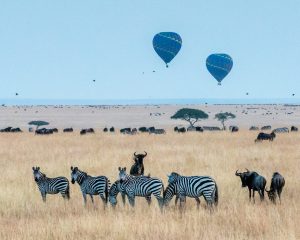
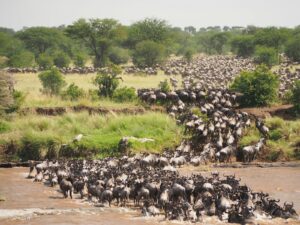
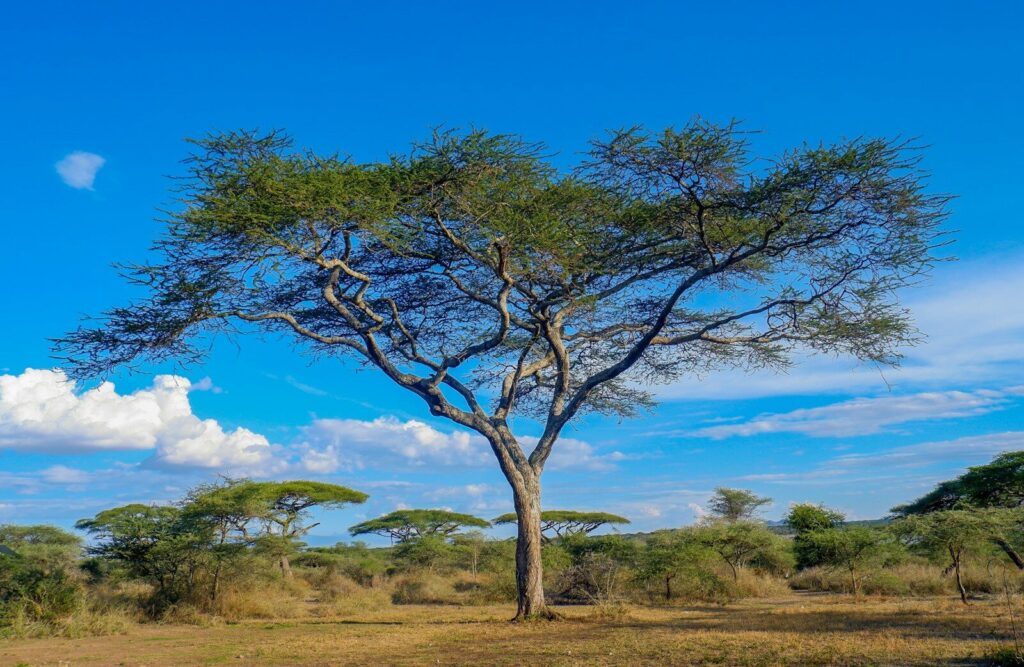
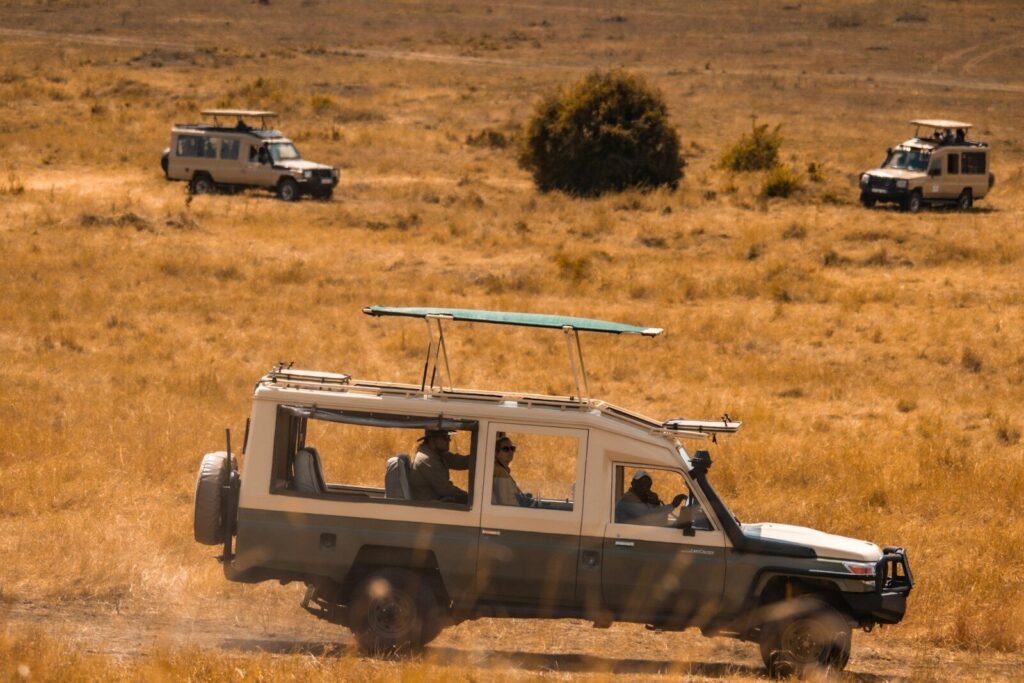
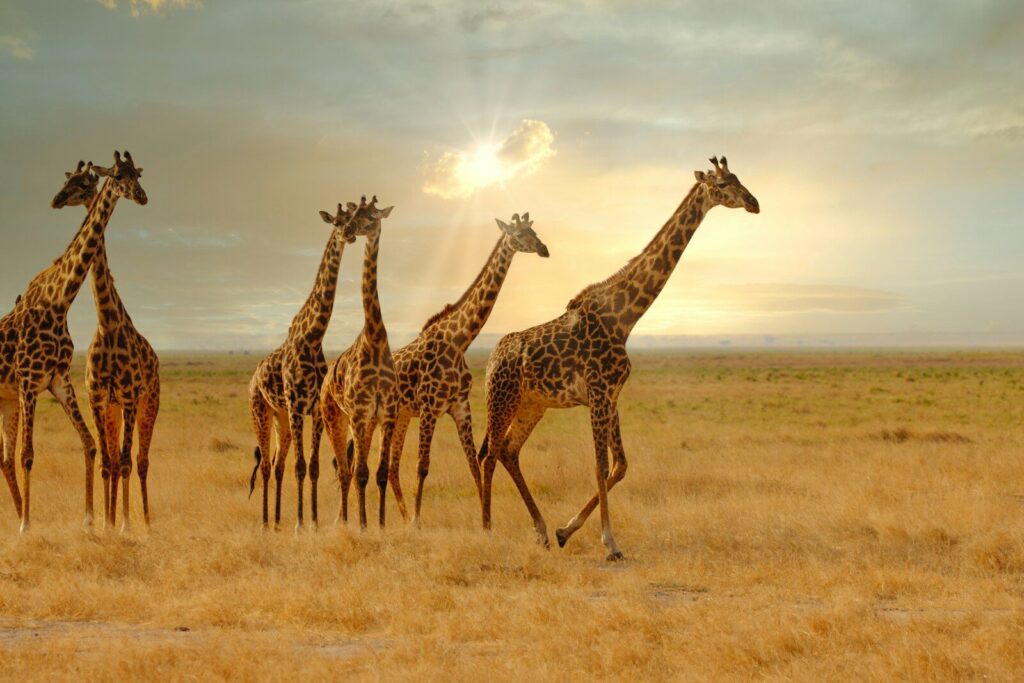
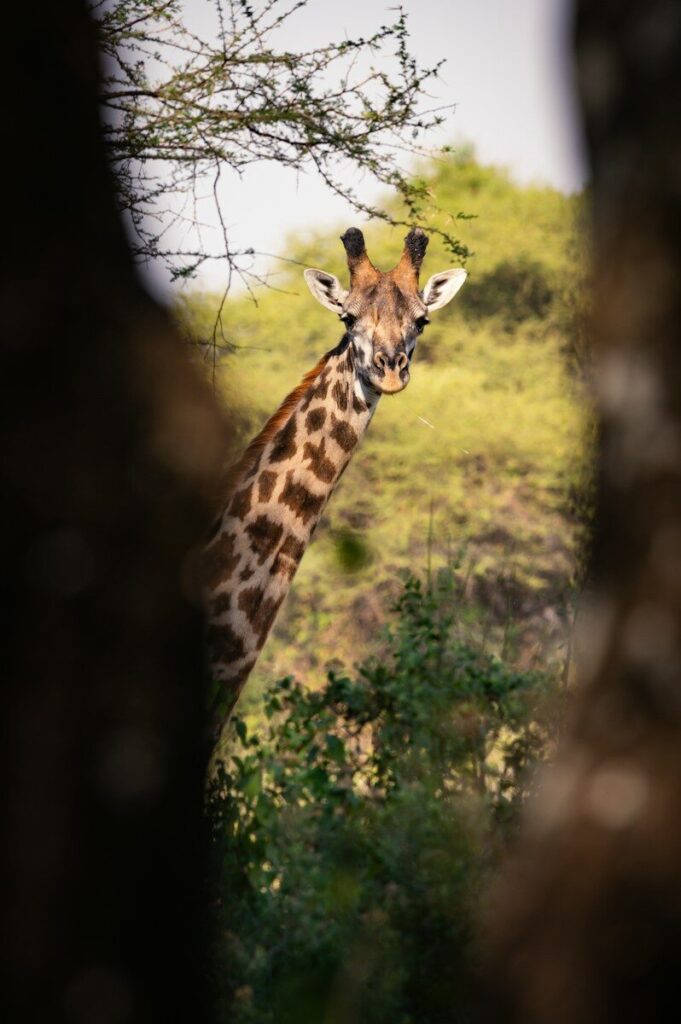
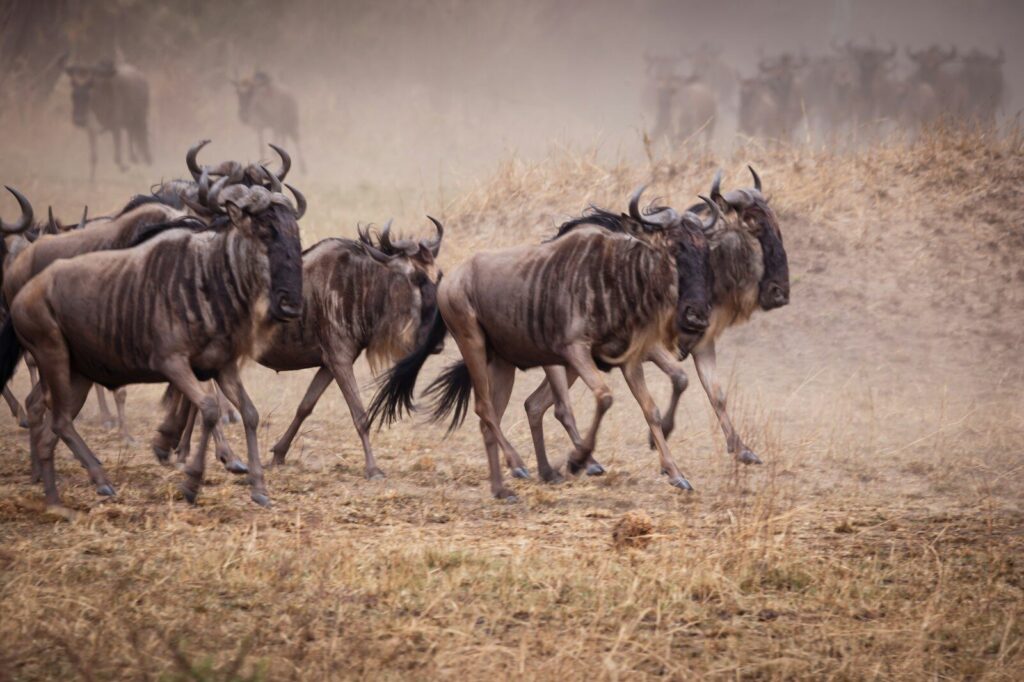
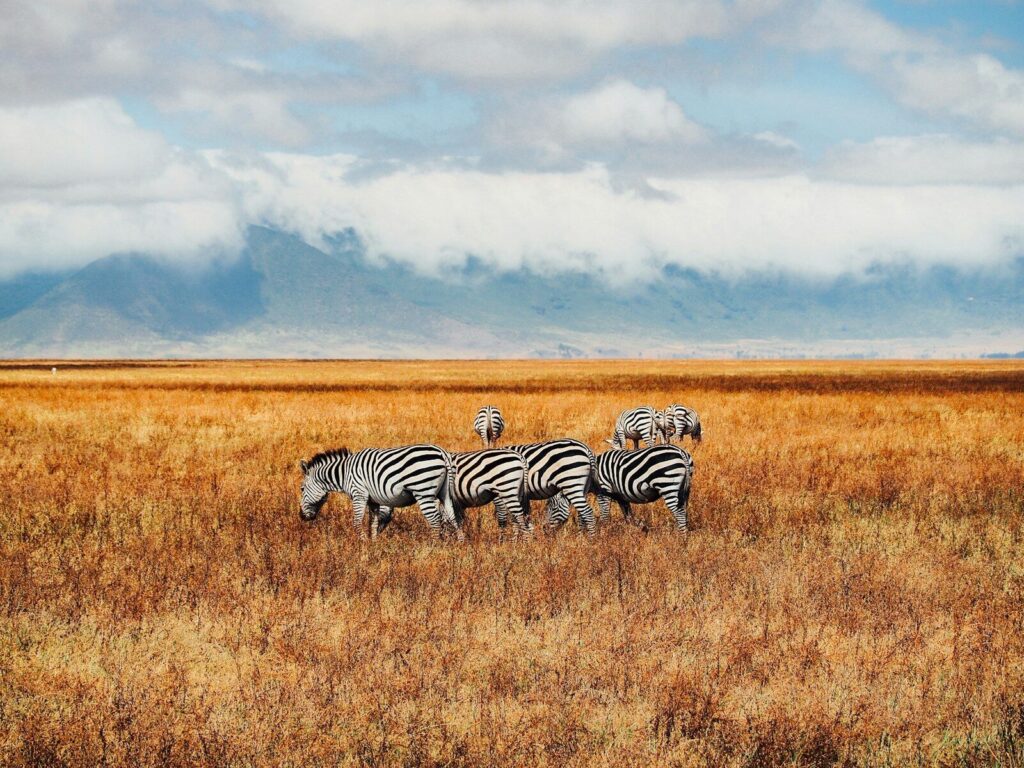
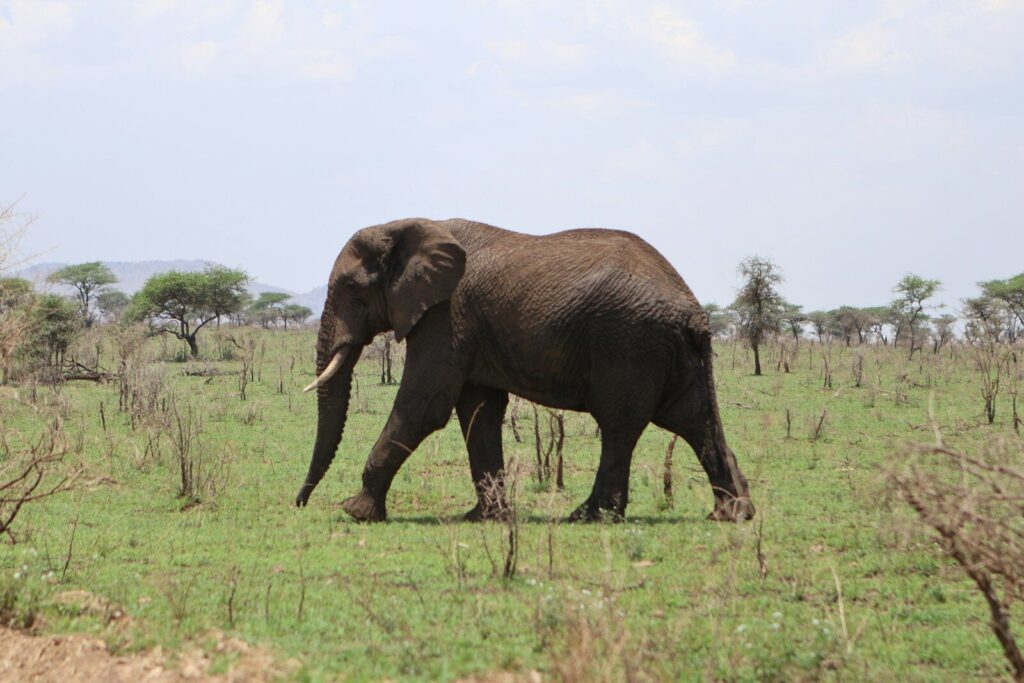
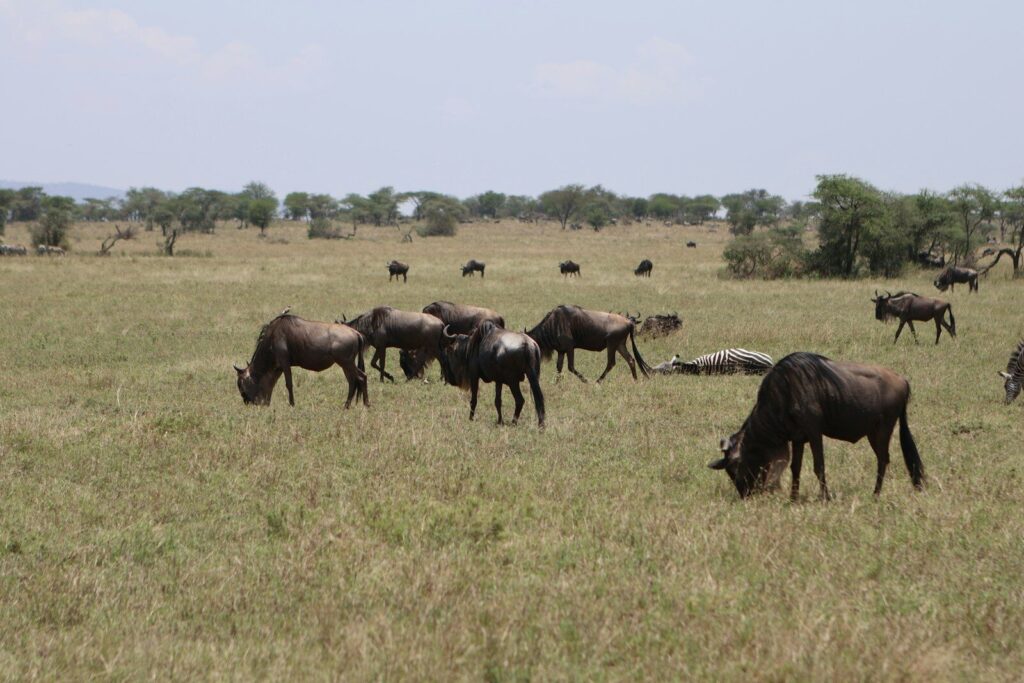
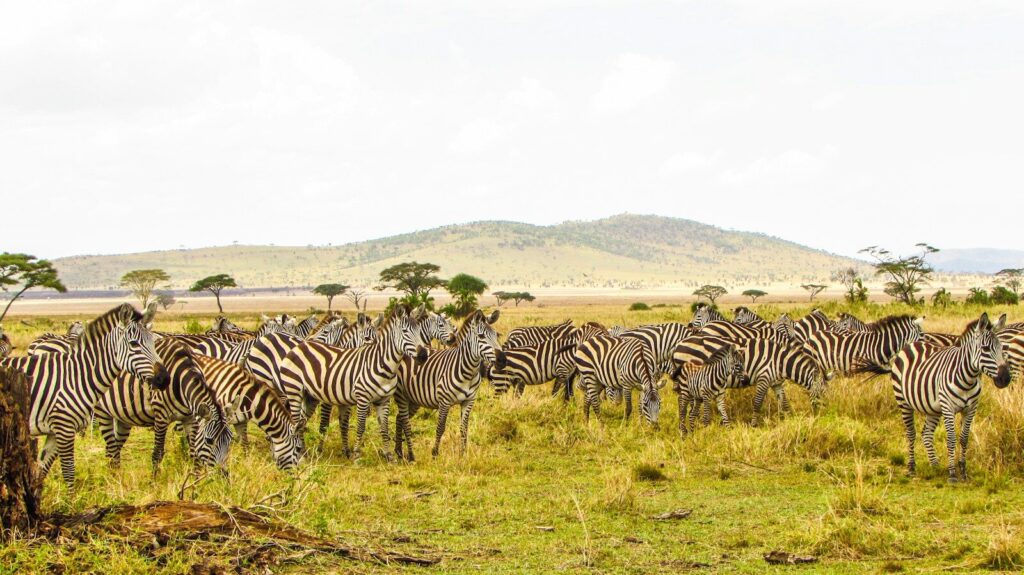
The iconic heart of Tanzanian safari experiences and home to the Great Migration of roughly 1.5–2 million wildebeest, zebra, and gazelle. Expect exceptional big cat sightings (lions, leopards, cheetahs), elephants, and vast open plains. Different regions peak at different times: southern/Ndutu for calving, northern for river crossings, central Seronera year-round for resident game. As one of the best safari destinations in Tanzania, the Serengeti delivers unforgettable wildlife drama across its diverse landscapes and consistently ranks among the best safari destinations in Tanzania for first-time and repeat visitors alike. Its scale, predator density, and migration spectacle make it a cornerstone of the best safari destinations in Tanzania.
- Best time to visit: Year-round, but July–October for Mara River crossings in the north; January–February (and into March) for calving on the southern plains. June and September–October offer strong viewing with fewer crowds than peak July–August.
- High season climate: Dry and clear. Days 20–27°C, mornings cool (10–15°C). Excellent visibility, short grass.
- Low season climate: Green and productive. January–February warm and mostly dry (25–32°C days); March–May wetter with afternoon storms, lush scenery, and dispersed herds. Central areas remain accessible.

2. Ngorongoro Conservation Area (including the Crater)
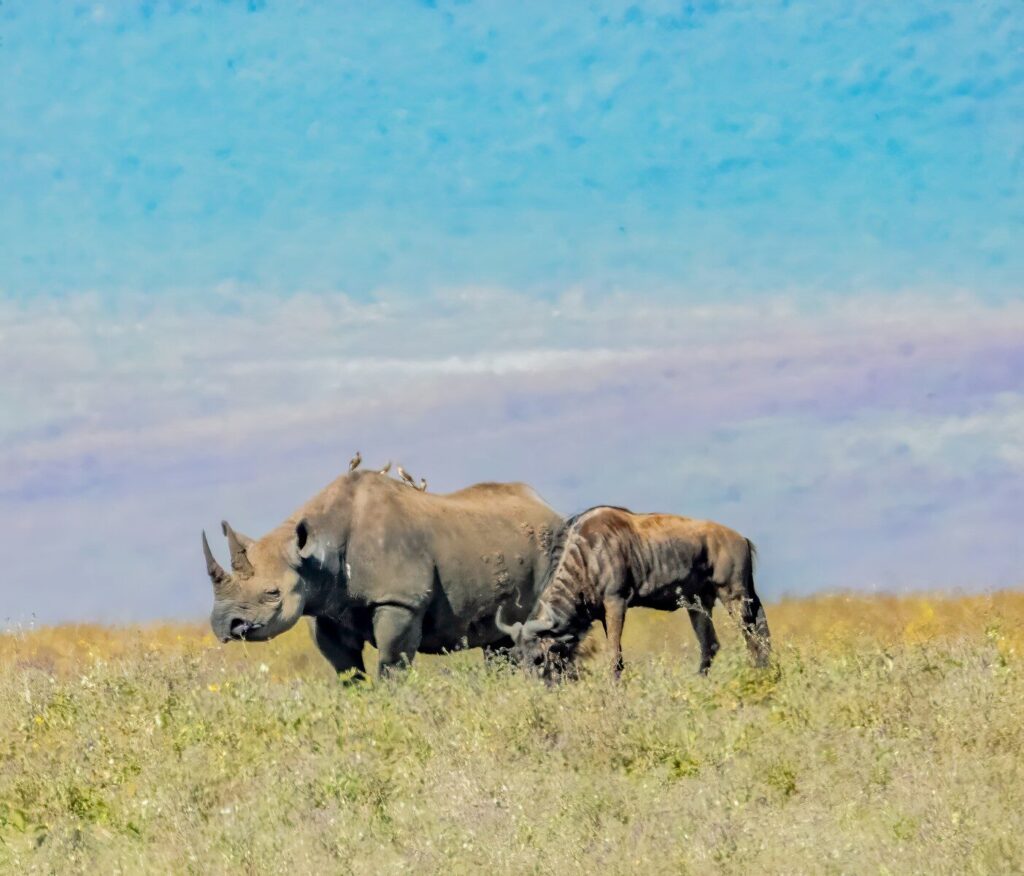
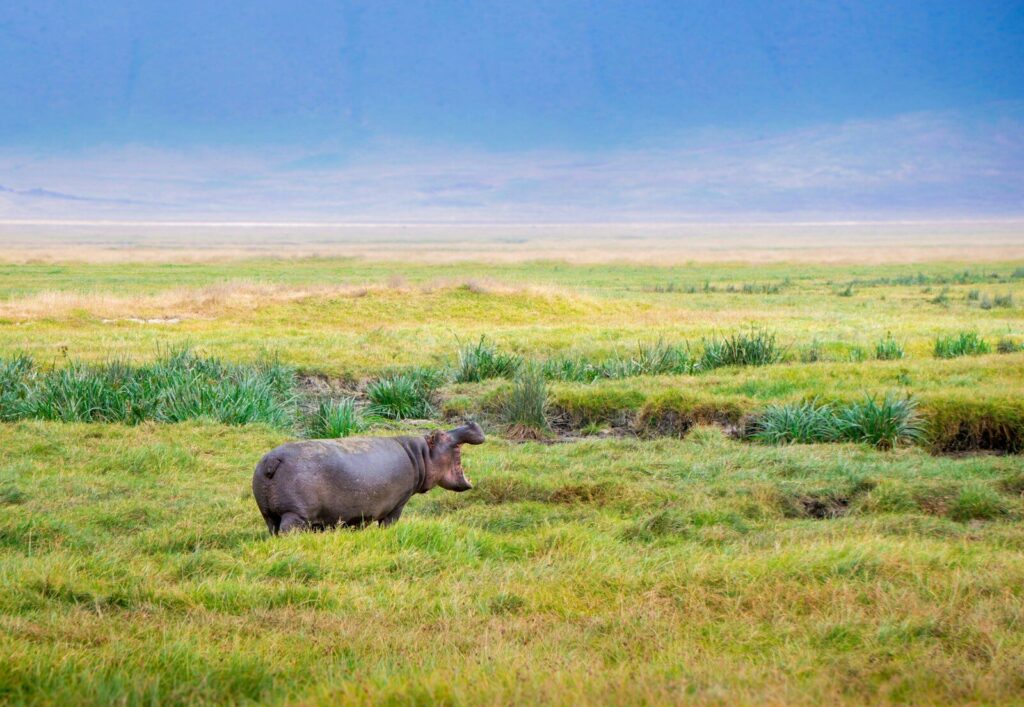
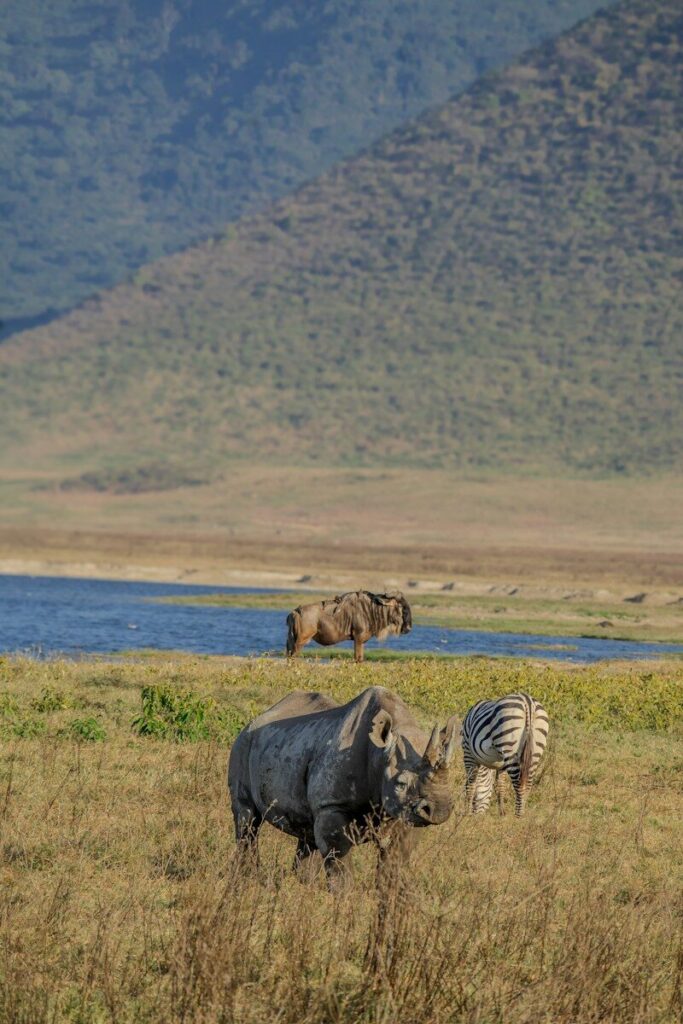
A UNESCO World Heritage Site featuring the world’s largest intact volcanic caldera. The crater floor packs an extraordinary density of wildlife, including the Big Five (notably black rhinos), hippos, flamingos, and large predator populations. The surrounding highlands and Ndutu plains add migration viewing in season. Ranked among the best safari destinations in Tanzania, Ngorongoro offers one of Africa’s most concentrated and accessible wildlife experiences.
- Best time to visit: Excellent year-round thanks to the enclosed ecosystem. Dry season (June–October) for maximum concentrations and clear views; January–February also outstanding with newborns and good predator action.
- High season climate: Cooler due to elevation (rim 2,200–3,200 m). Days 15–25°C, nights can drop to 5–10°C or lower (frost possible). Dry and clear.
- Low season climate: Milder nights, lush crater floor. Rains can make some roads muddy (especially April–May), but game viewing stays strong. Days warmer and humid.


3. Tarangire National Park
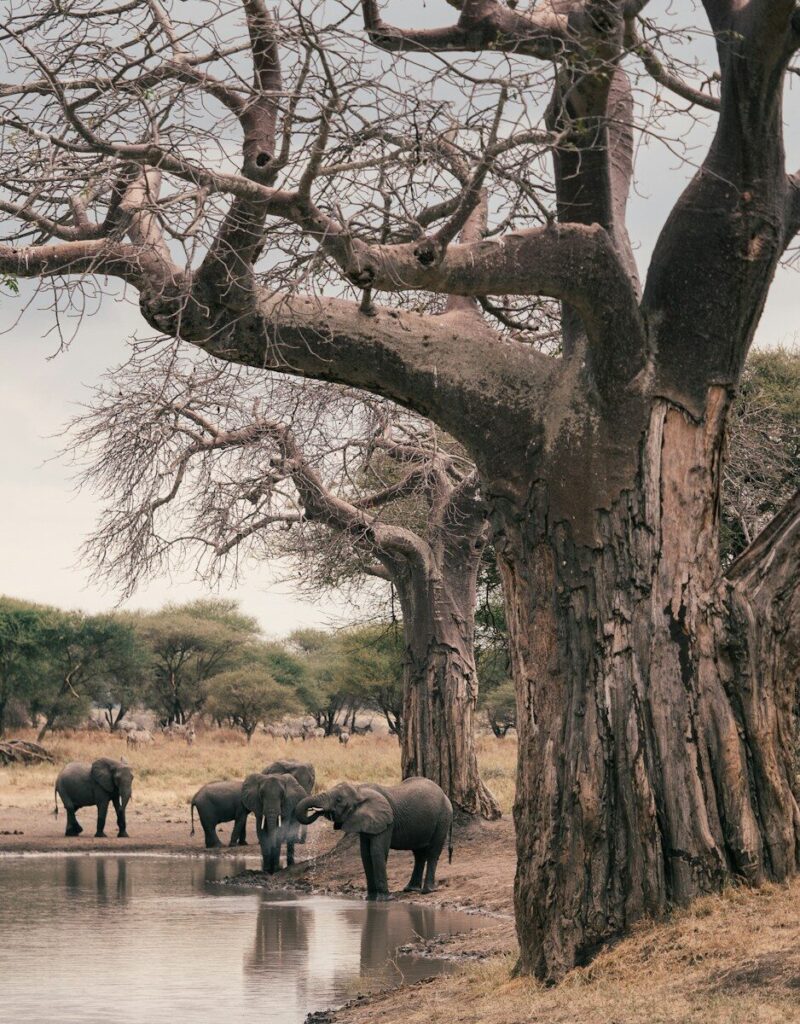
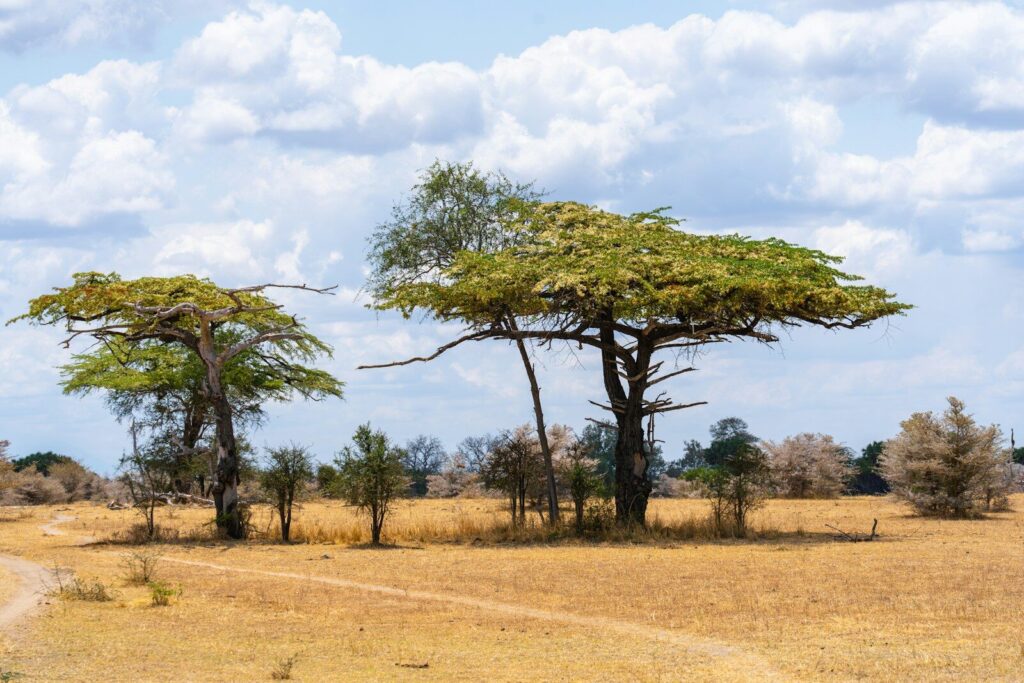
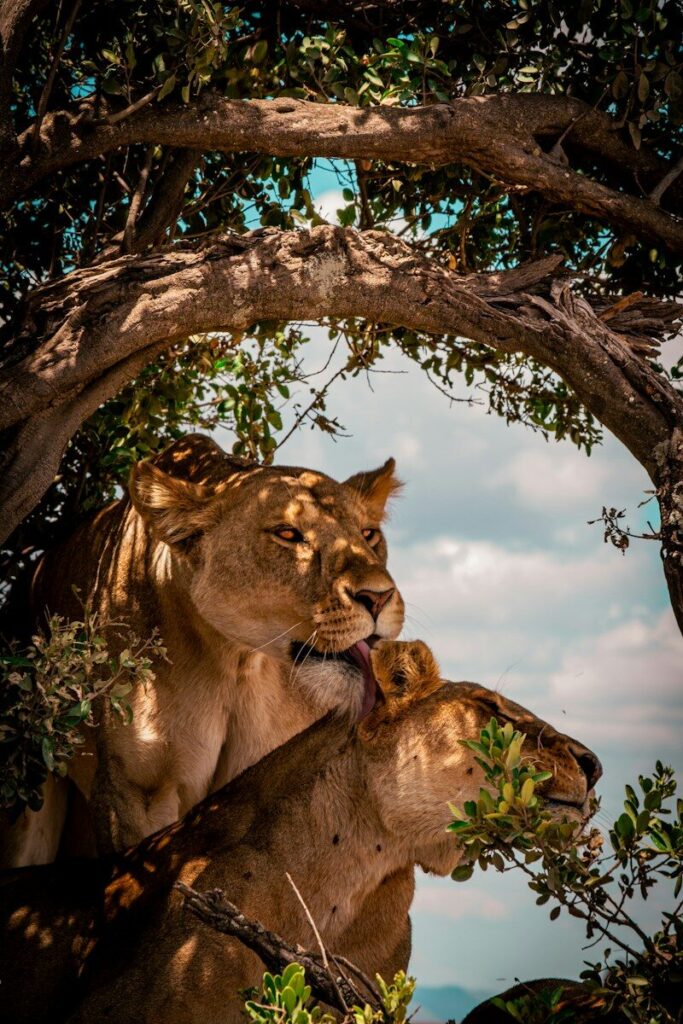
Famous for massive elephant herds (often thousands gathering along the river), baobab-studded landscapes, tree-climbing lions, and rich birdlife. A key northern circuit stop that shines when water is scarce, Tarangire ranks among the best safari destinations in Tanzania for dramatic dry-season concentrations and unique scenery.
- Best time to visit: July–October (peak dry season) when elephants and other wildlife concentrate at the Tarangire River. June and early November also excellent. Green season rewards birders and those seeking fewer crowds.
- High season climate: Warmer than the higher Serengeti/Ngorongoro (days often 25–32°C, hotter toward October). Dry, with animals highly visible.
- Low season climate: Lush and green with higher humidity. Wildlife more dispersed but still present; excellent for photography and birds. Afternoon showers common.



4. Lake Manyara National Park
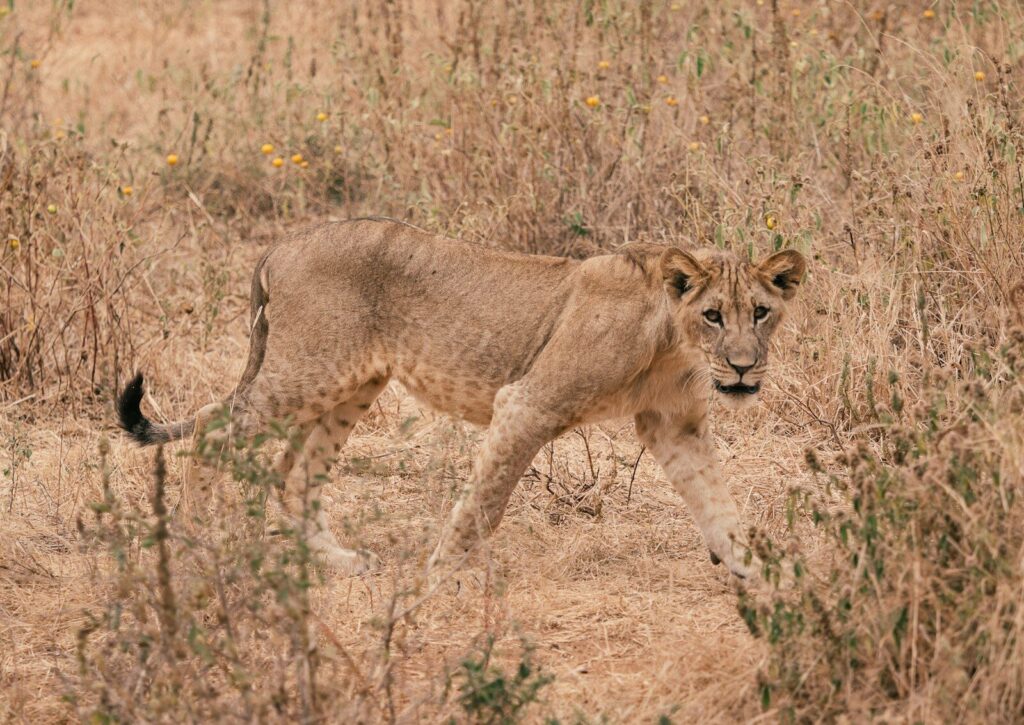
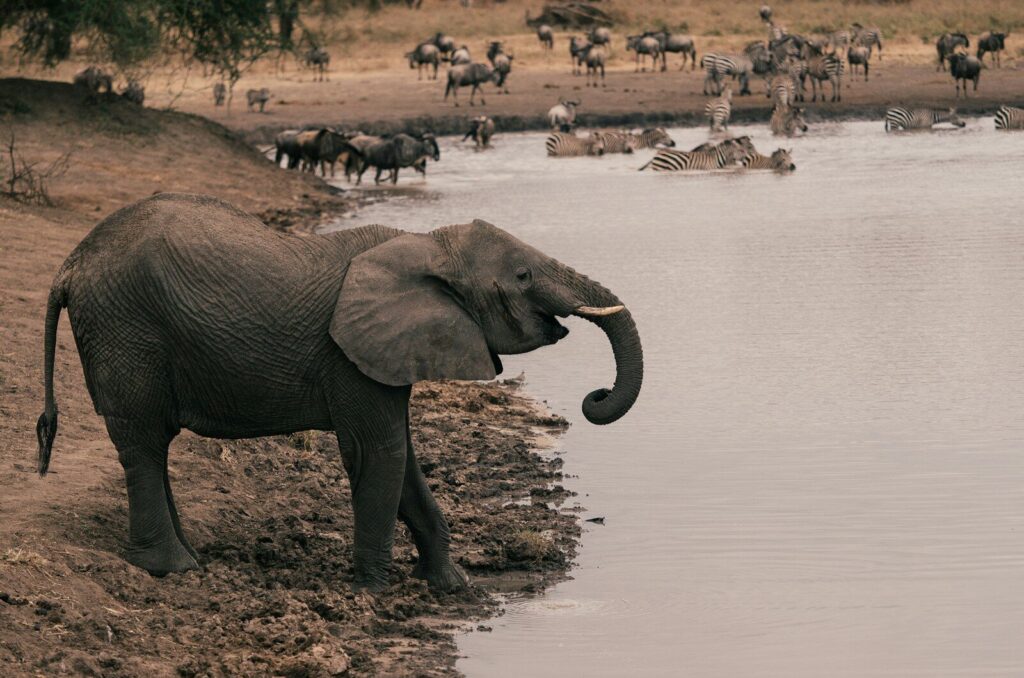
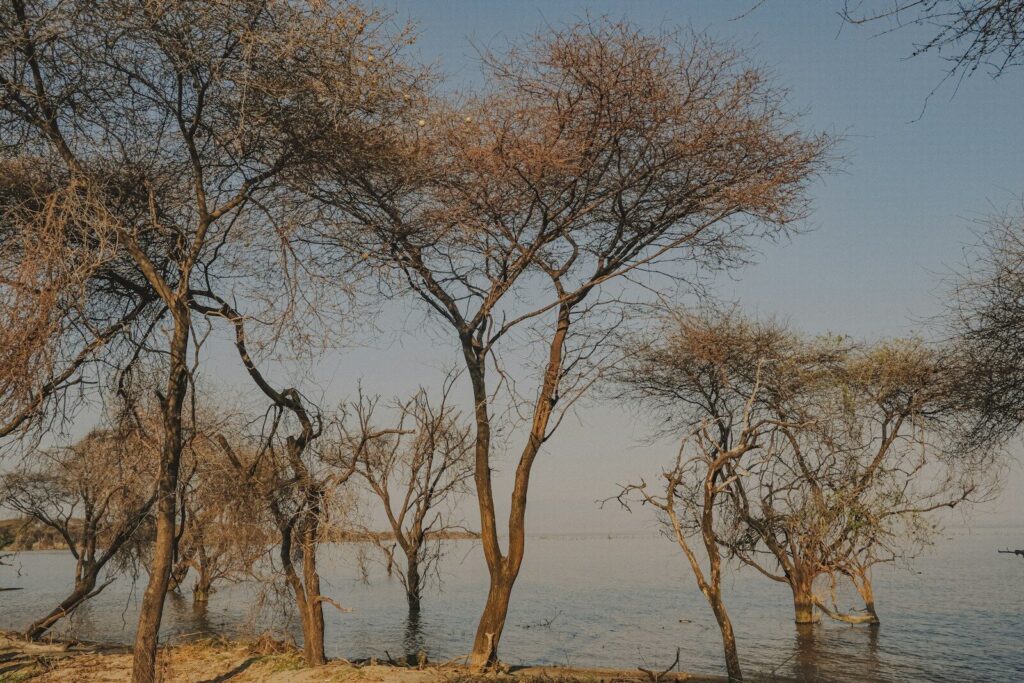
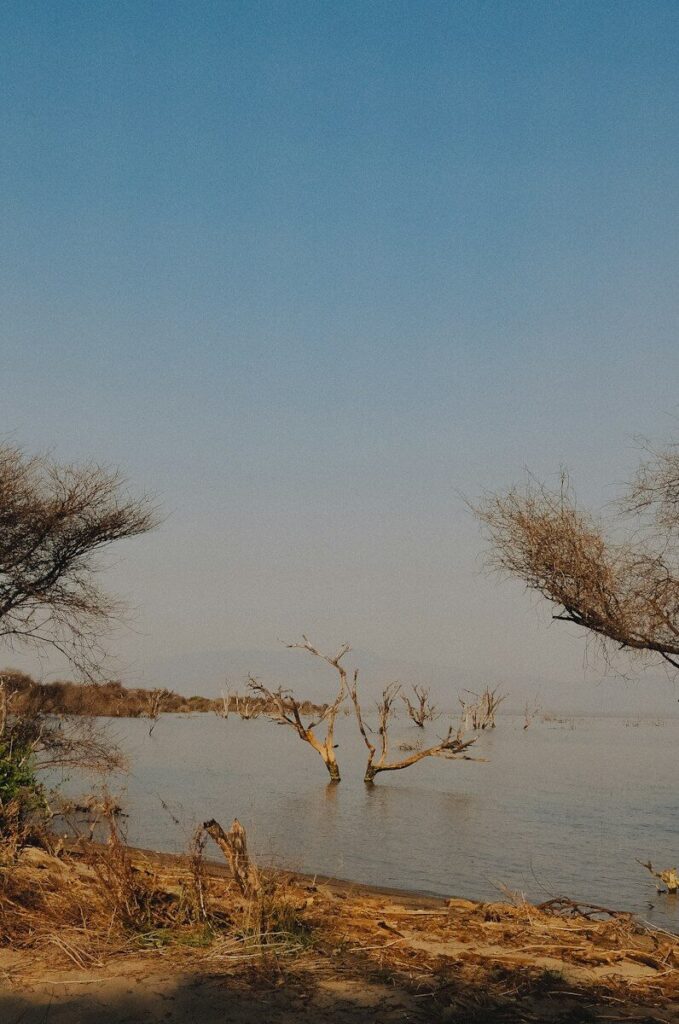
A compact park between the Rift Valley escarpment and a soda lake, known for tree-climbing lions, large elephant herds, hippos, flamingos, and diverse habitats (groundwater forest to open plains). Ideal for a shorter stop or birdwatching, Lake Manyara is one of the best safari destinations in Tanzania for variety packed into a small area.
- Best time to visit: June–October for classic game viewing; wetter months (November–April) for peak flamingo and migratory bird numbers.
- High season climate: Warm and dry (similar to Tarangire). Clear views across the lake.
- Low season climate: Greener, more humid, with higher bird activity. Occasional heavy rains.


5. Ruaha National Park
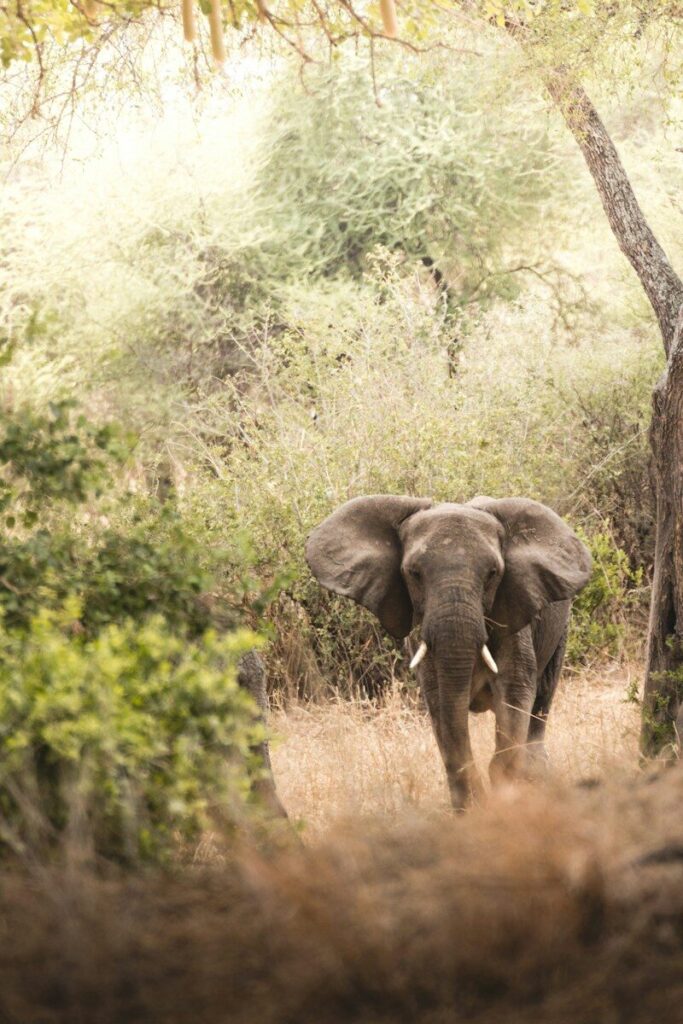
Tanzania’s largest national park and a southern circuit gem. Rugged landscapes, the Great Ruaha River, high densities of elephants, lions, leopards, wild dogs, and greater kudu. Far fewer visitors than the north—true wilderness feel. Ruaha stands out as one of the best safari destinations in Tanzania for those seeking remote, uncrowded game viewing.
- Best time to visit: June–October (dry season) when animals gather along the river. Some camps operate in the green season for birding and solitude.
- High season climate: Hot and dry (days can reach 30–35°C). Clear skies, excellent tracking conditions.
- Low season climate: Lush, hotter and more humid in places. Heavier rains (especially April–May) can limit road access; some areas become challenging.


6. Nyerere National Park (formerly Selous Game Reserve)
One of Africa’s largest protected areas, offering boat safaris on the Rufiji River, walking safaris, and diverse habitats. Excellent for wild dogs, lions, hippos, crocodiles, and elephants. Remote and rewarding for multi-day stays, Nyerere ranks among the best safari destinations in Tanzania for its unique mix of river-based and walking experiences.
- Best time to visit: June–October for optimal access and wildlife concentrations. Green season possible but with access restrictions in peak rains.
- High season climate: Hot and dry. River levels lower, concentrating game.
- Low season climate: Higher water levels enable excellent boat-based viewing in some periods, but heavy rains (March–May) close many camps and make roads difficult.

7. Katavi National Park
One of Tanzania’s most remote and least-visited parks. Spectacular dry-season concentrations of hippos, buffalo, elephants, and predators around shrinking water sources. Pure wilderness for adventurous travelers, Katavi is widely regarded as one of the best safari destinations in Tanzania for those seeking an authentic, uncrowded experience.
- Best time to visit: June–October (especially late dry season for dramatic gatherings).
- High season climate: Hot and dry. Wildlife highly concentrated.
- Low season climate: Wet and inaccessible in many areas; most camps close during long rains.
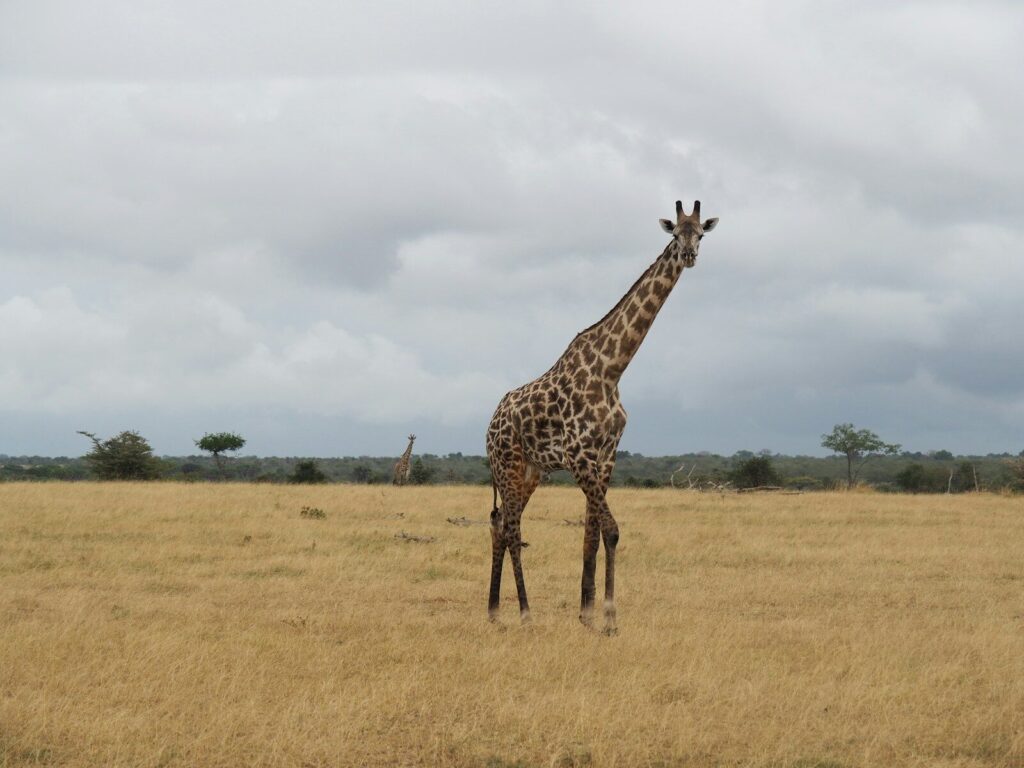


8. Mahale Mountains National Park
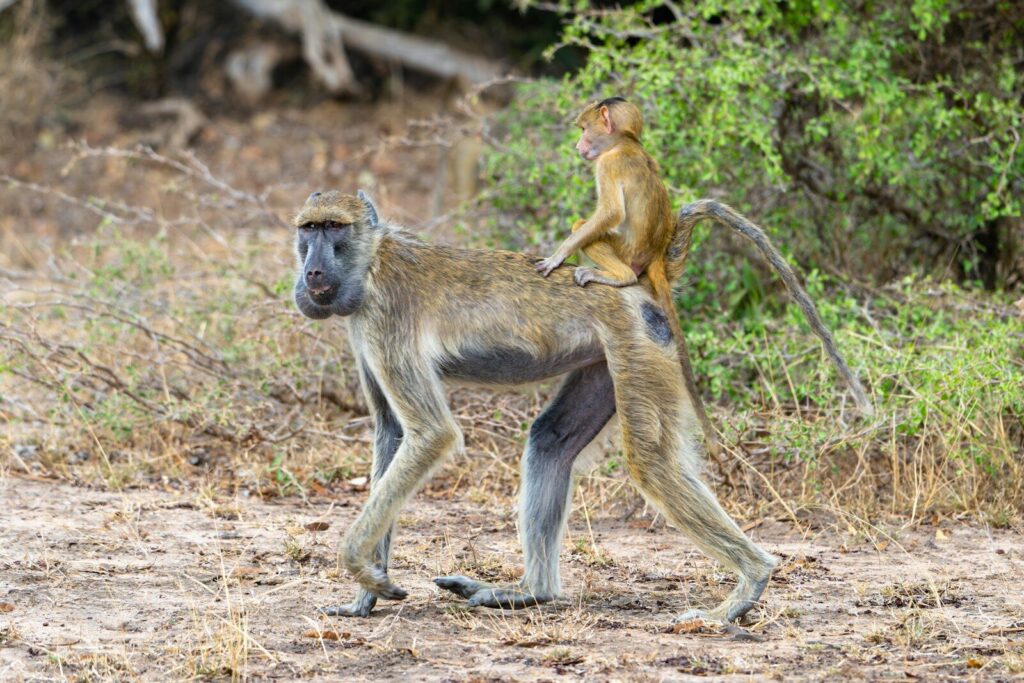
Premier chimpanzee trekking destination on the shores of Lake Tanganyika. Forested mountains, pristine beaches, and a completely different safari experience focused on primates rather than classic plains game. Mahale ranks among the best safari destinations in Tanzania for unique primate encounters in a stunning lakeside setting.
- Best time to visit: July–October (dry season) when chimps are more accessible lower on the slopes. August–October often ideal.
- High season climate: Warm to hot days, cooler forest conditions. Dry trails aid tracking.
- Low season climate: Wetter, denser vegetation; trekking more challenging and some facilities may close.

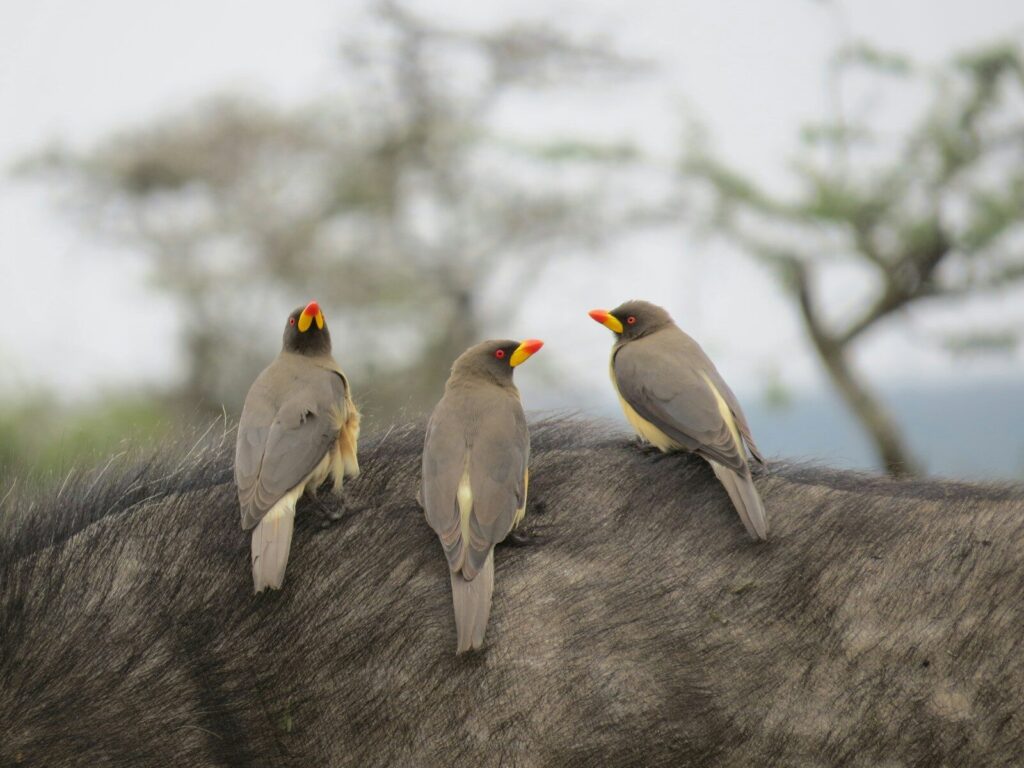

9. Gombe Stream National Park
Jane Goodall’s famous chimpanzee research site. Smaller and more intimate than Mahale, with lakeside setting and excellent primate viewing. Gombe is one of the best safari destinations in Tanzania for those seeking a historic and close-up chimpanzee encounter.
- Best time to visit: July–October for easier access and tracking.
- High/low season climate: Similar patterns to Mahale—drier and more reliable in high season; wetter and more restricted in low season.
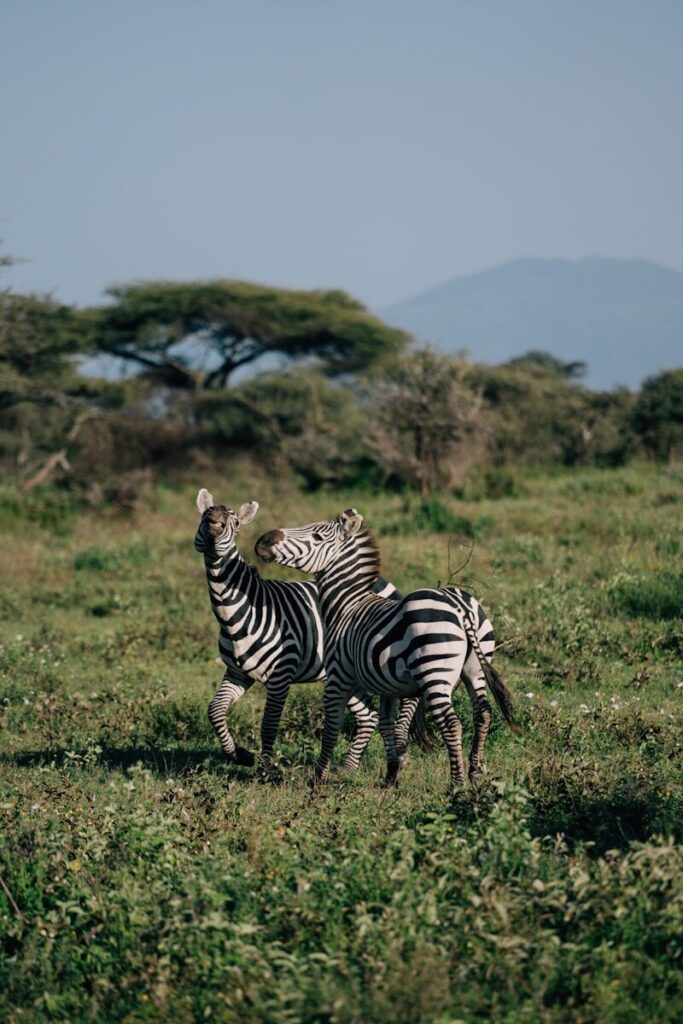


10. Arusha National Park (and Mount Meru / Kilimanjaro foothills)
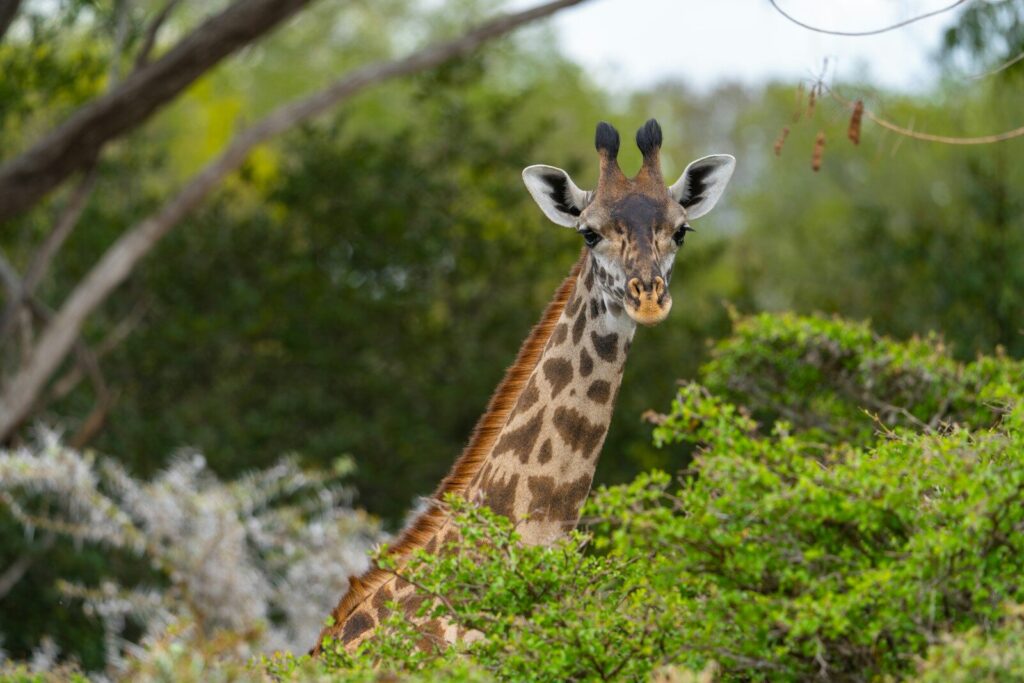
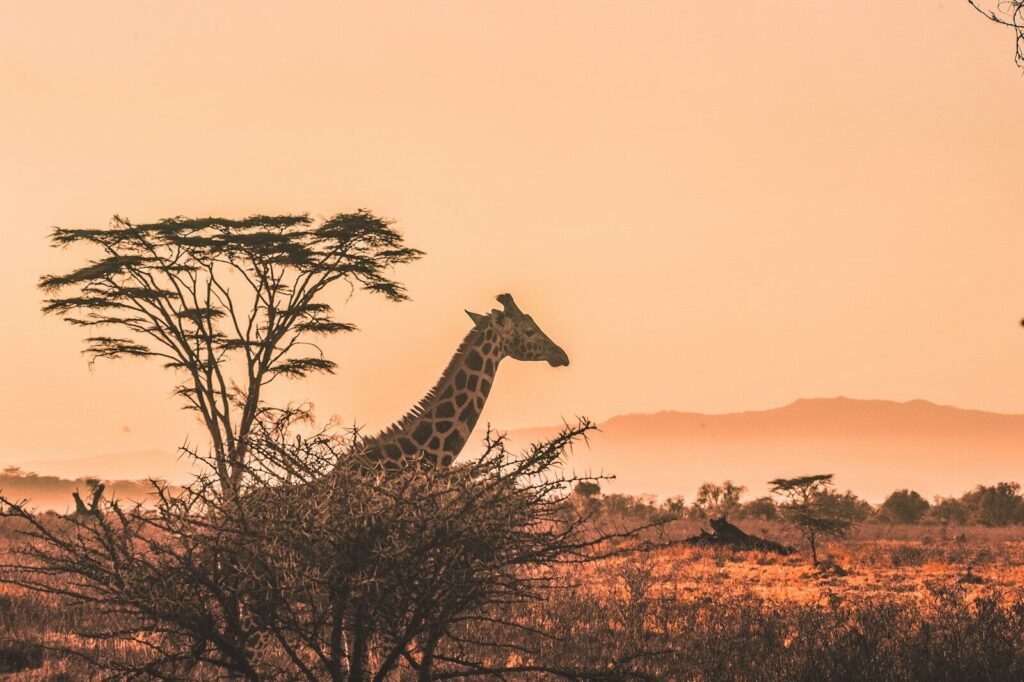
Often overlooked but excellent for a short safari or acclimatization, Arusha National Park is one of the best safari destinations in Tanzania for travelers seeking giraffes, buffalo, colobus monkeys, flamingos on Momella Lakes, and dramatic views of Mount Meru. As one of the best safari destinations in Tanzania, it combines well with cultural visits or serves as an ideal gateway, making it a practical choice among the best safari destinations in Tanzania for those beginning or ending a northern circuit adventure.
- Best time to visit: Year-round, with dry season preferred for clear mountain views and easier walking.
- Climate notes: Moderate temperatures due to elevation; cooler and potentially misty at higher points. Dry season clearer; wetter periods bring lush forests.
Other notable mentions include Mikumi National Park (accessible southern option) and the wider Ngorongoro highlands for cultural and landscape experiences.

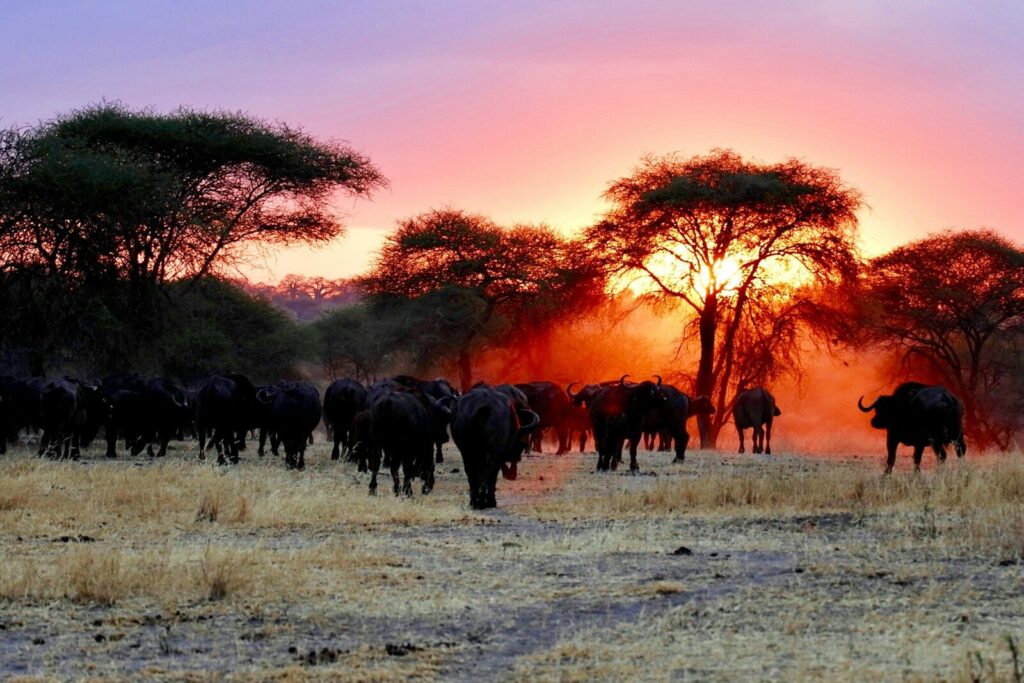


What Are the Top 10 Places to Visit in Tanzania?
Beyond pure safari parks, Tanzania’s top attractions blend wildlife, culture, adventure, and beaches, showcasing why the country is home to so many of the best safari destinations in Tanzania. From iconic wildlife reserves to cultural sites and coastal escapes, these experiences complement the best safari destinations in Tanzania and help travelers plan a complete itinerary that highlights the best safari destinations in Tanzania alongside mountains, history, and pristine beaches.
- Serengeti National Park
- Ngorongoro Crater & Conservation Area
- Mount Kilimanjaro (trekking)
- Zanzibar (Stone Town, beaches, spice tours)
- Tarangire National Park
- Lake Manyara National Park
- Ruaha National Park
- Nyerere National Park
- Mahale Mountains or Gombe (chimpanzees)
- Arusha / Mount Meru area or cultural sites like Maasai villages and the Usambara Mountains
A classic itinerary often combines the northern circuit (Tarangire–Manyara–Ngorongoro–Serengeti)—home to several of the best safari destinations in Tanzania—with a Zanzibar beach extension.
Which Is Better, Kenya or Zanzibar?
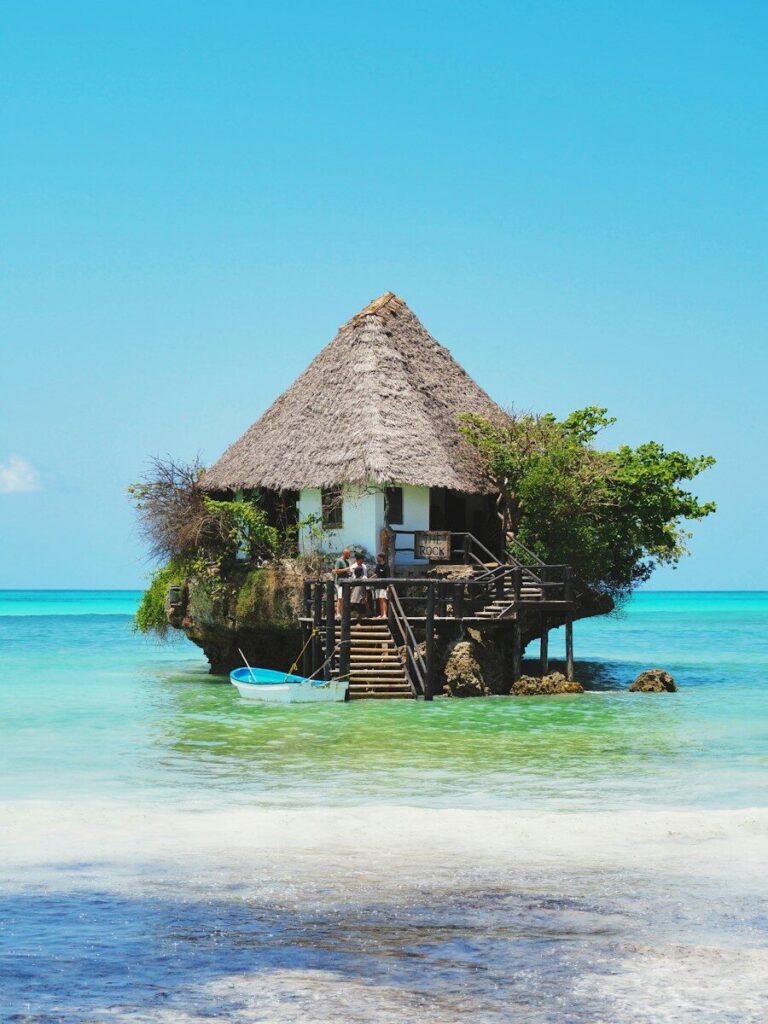
This comparison mixes different experiences. Kenya is a full safari destination with parks like the Masai Mara, Amboseli, and Tsavo, plus a coastline (Diani, Watamu, Lamu). Zanzibar is primarily a tropical island paradise known for white-sand beaches, turquoise waters, diving/snorkeling (especially Mnemba Atoll), Stone Town’s Swahili-Arab heritage, spice tours, and relaxed island vibes. It has limited land wildlife (e.g., red colobus monkeys in Jozani Forest) but no classic Big Five safari.
Choose Kenya if you want wildlife-focused travel, varied landscapes, cultural diversity, or a combined safari + beach itinerary within one country (easier logistics). Choose Zanzibar for pure beach relaxation, culture, water sports, and a post-safari unwind. Many travelers combine a Tanzania or Kenya safari with Zanzibar for the best of both worlds. Zanzibar often edges out on beach quality and cultural immersion for an island holiday.



What Are the Top 3 Safari Destinations in Africa?
Based on traveler and expert reviews (including large-scale surveys of parks and experiences):
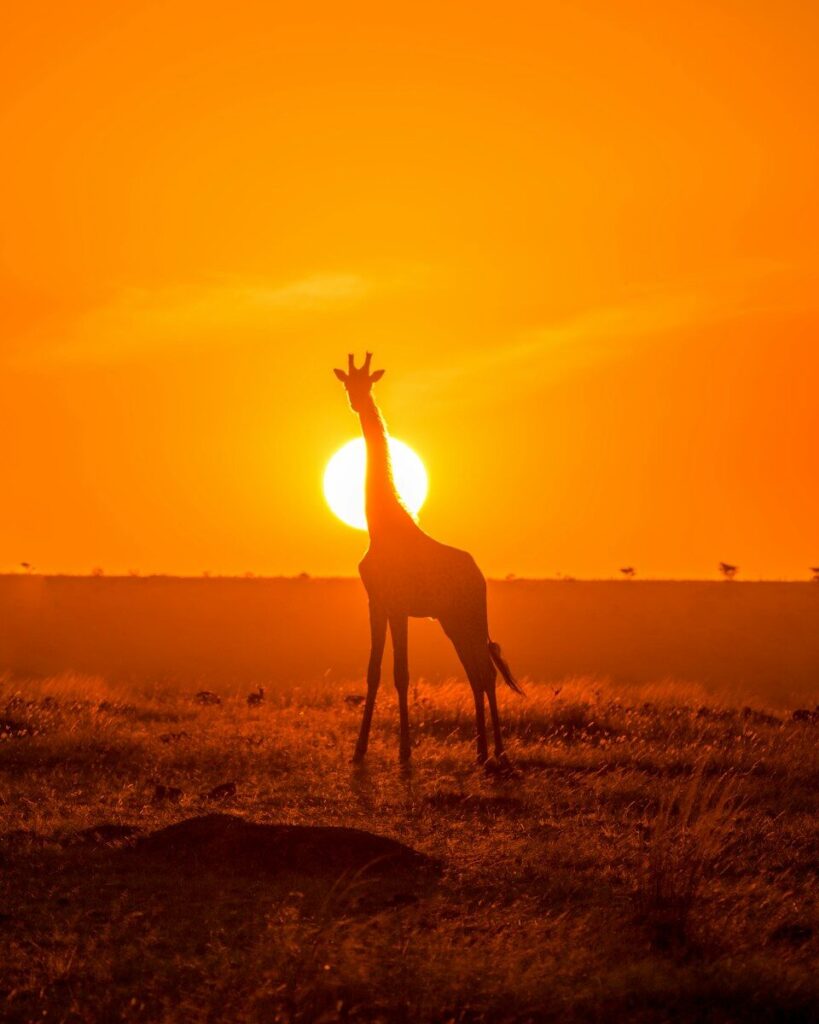
- Serengeti National Park (Tanzania) — Frequently ranks as Africa’s top safari park for its scale, the Great Migration, and big cat density.
- Okavango Delta / related reserves (Botswana) or Lower Zambezi (Zambia) — Water-based wilderness, exclusivity, and exceptional wildlife.
- Sabi Sand Private Game Reserve (South Africa) or The Masai Mara National Reserve (Kenya) — Known for leopard sightings, guided excellence, and consistent Big Five viewing.
Rankings vary by criteria (migration spectacle, exclusivity, value, species diversity), but the Serengeti consistently leads or ranks near the top.
Is Kenya or Tanzania Better for Safari?
Neither is universally “better”—it depends on priorities, timing, budget, and travel style.
Tanzania advantages: Larger parks and more protected land overall; the Serengeti is vastly bigger than the Masai Mara; the Great Migration spends the majority of the year (roughly 8–10 months) on the Tanzanian side; unique Ngorongoro Crater; stronger southern/western wilderness options (Ruaha, Nyerere, Katavi); excellent chimpanzee trekking; iconic combination with Kilimanjaro and Zanzibar. Generally fewer crowds in many areas and a more expansive wilderness feel. Higher park fees and sometimes higher overall costs; logistics can involve more internal flights for multi-park trips.

Kenya advantages: Often more accessible and efficient for shorter trips; excellent private conservancies allowing off-road driving, night drives, and walking safaris; strong value in mid-range options; reliable Big Five and unique northern species (Grevy’s zebra, gerenuk in Samburu); dramatic Mara River crossings concentrated July–October; easier combination of multiple parks from Nairobi. Can feel more crowded in peak Mara season.

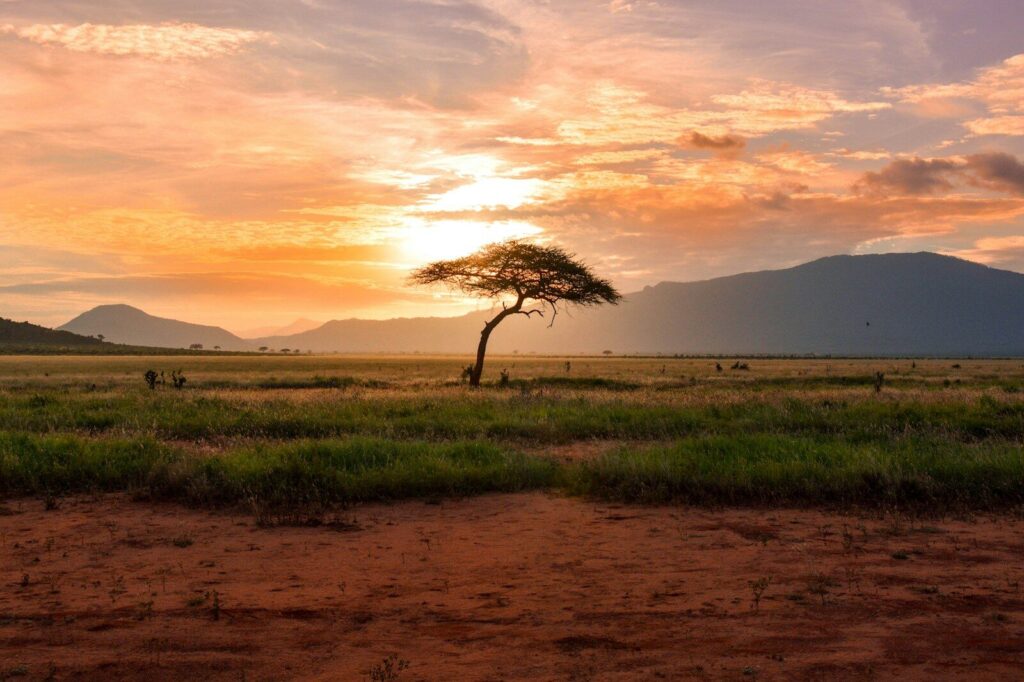
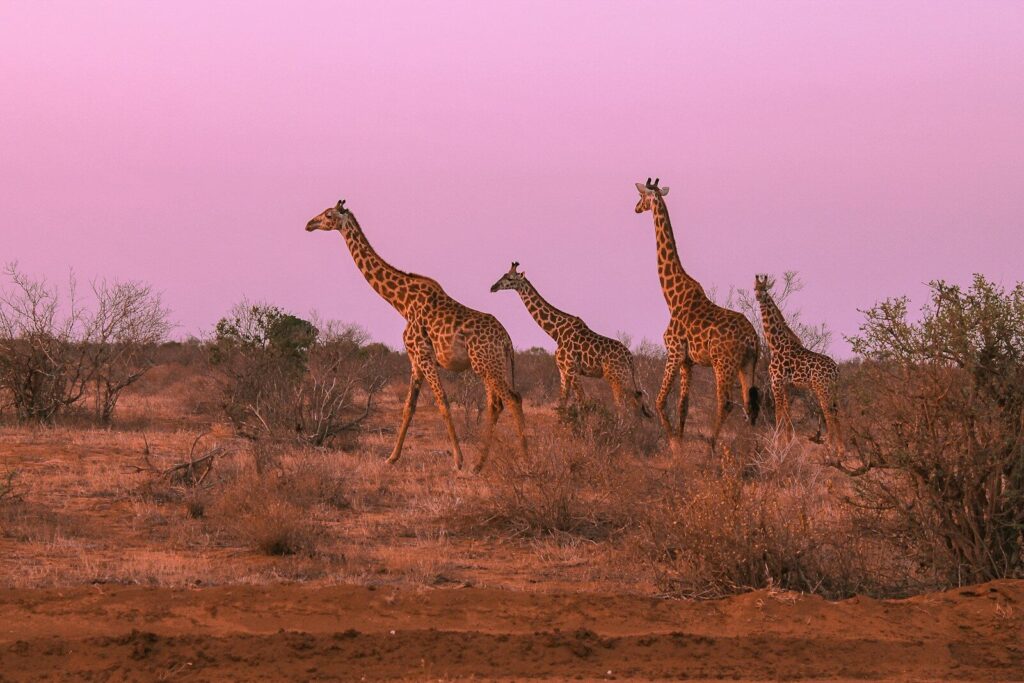
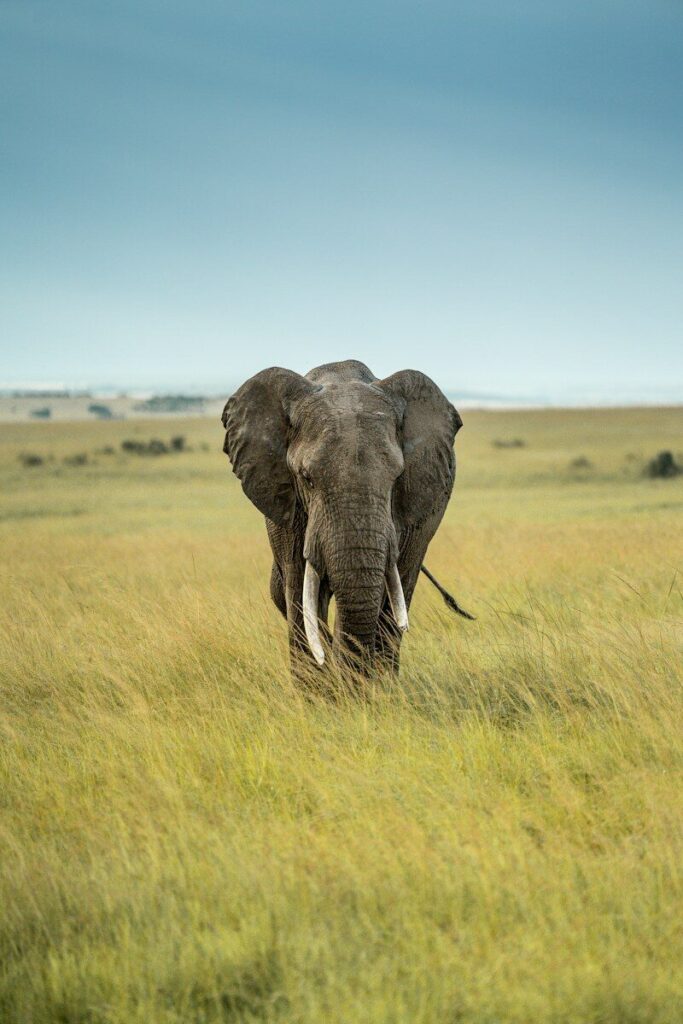
Verdict for most first-time visitors seeking the classic East African experience: Tanzania edges ahead thanks to the Serengeti + Ngorongoro combination, longer migration window, and sense of scale. Kenya shines for accessibility, conservancy exclusivity, and specific timing around the Mara crossings. Ideally, experience both if time and budget allow. Costs for comparable mid-to-luxury trips are often 20–30% higher in Tanzania due to fees and distances.
Planning Tips for a Tanzania Safari
- Book peak-season (July–September) camps 9–18 months ahead.
- Consider shoulder periods (June, late September–October, January–February) for better value and still-excellent wildlife.
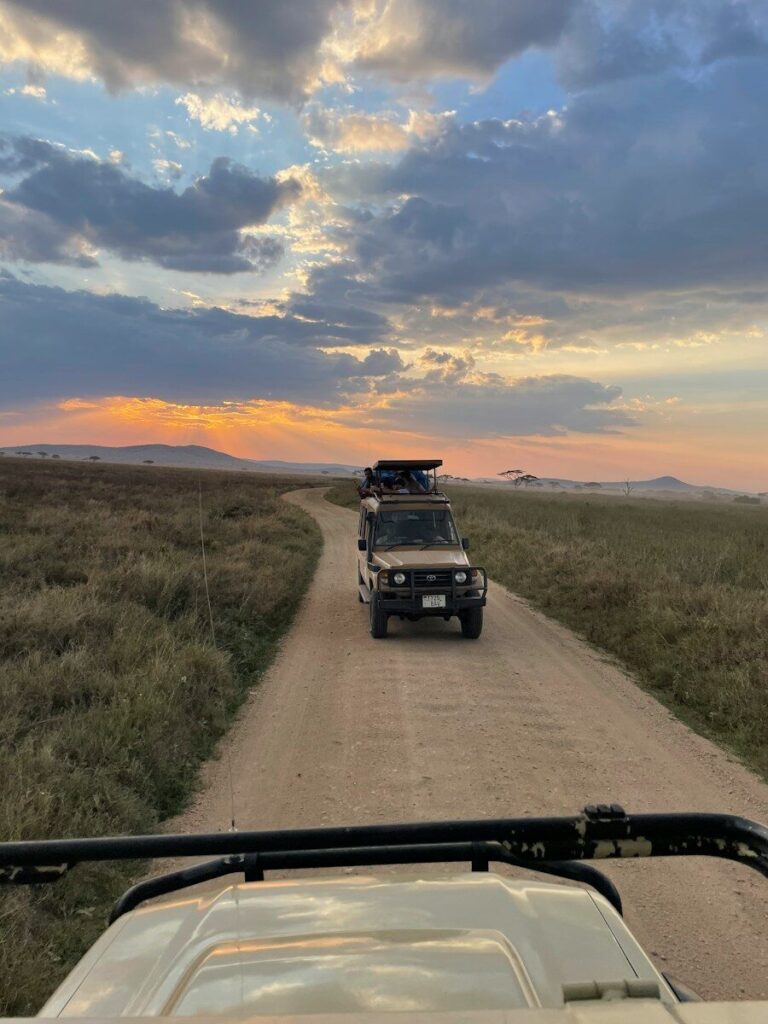
- Northern circuit works well by road or with light-aircraft hops; southern and western parks usually require flights.
- Combine safari with Zanzibar for beach recovery or Kilimanjaro for adventure.
- Pack layers for cool mornings, sun protection, and binoculars. Malaria precautions are essential year-round
1. What is the absolute best month for a Tanzania safari?
July–September for dry-season concentrations and Mara River crossings; January–February for calving season and fewer crowds. September often balances quality, weather, and slightly lower crowds/prices than August.
2. Can I still have a great safari in the low/green season?
Yes. The green season offers lush scenery, lower prices, fewer vehicles, excellent birding, and strong predator action around calving (especially southern Serengeti). Avoid peak long rains (April–May) only if road conditions or closed camps are concerns.
3. How many days do I need for a good Tanzania safari?
A classic northern circuit needs 6–8 days minimum (Tarangire/Manyara + Ngorongoro + Serengeti). Add 3–5 days for southern parks or chimpanzees, plus beach time.
4. Is Tanzania suitable for first-time safari-goers and families?
Absolutely. The northern circuit is well-established with excellent infrastructure, professional guides, and options from mid-range to luxury. Many lodges welcome families; some have age restrictions for certain activities.
5. What should I budget for a Tanzania safari?
Mid-range shared or private vehicle safaris often start around $300–600+ per person per day (all-inclusive, excluding international flights). Luxury experiences can exceed $1,000–1,500+ per person per night. Park fees, internal flights, and peak-season rates significantly affect totals. Green-season travel offers the best value.
Tanzania delivers one of the world’s greatest wildlife spectacles across diverse landscapes and seasons. Whether you chase the Great Migration, seek remote wilderness, or combine safari with beaches and culture, careful timing and park selection will create an unforgettable journey. Start planning with your preferred season and must-see experiences in mind, and the plains of Tanzania will deliver.