Photography Safari Kenya: Best Times, Top Parks & Complete Guide for Capturing Africa’s Wildlife
Kenya ranks among the world’s premier destinations for a photography safari. Vast open plains, dramatic light, high concentrations of predators, and iconic backdrops such as Mount Kilimanjaro and the Mara River create endless opportunities for compelling images. Whether you are chasing the Great Migration river crossings, intimate elephant portraits, or rare northern species, a well-planned photography safari Kenya delivers results that few other places can match.
This comprehensive guide covers the best time for photography safaris in Kenya, the top parks for wildlife photography, practical tips, realistic costs, and answers to the most common questions photographers ask. It is designed to help both first-time visitors and experienced wildlife photographers plan an unforgettable trip.
Best Time for a Photography Safari in Kenya
Timing is everything on a photography safari Kenya. Light quality, wildlife behaviour, grass height, and crowd levels all change dramatically with the seasons.
Peak dry season (July–October)
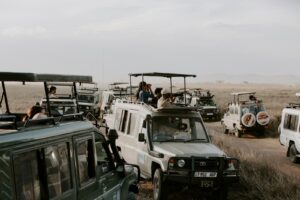
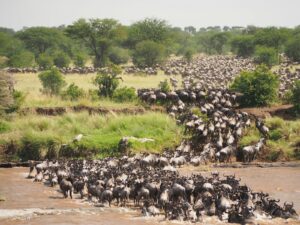
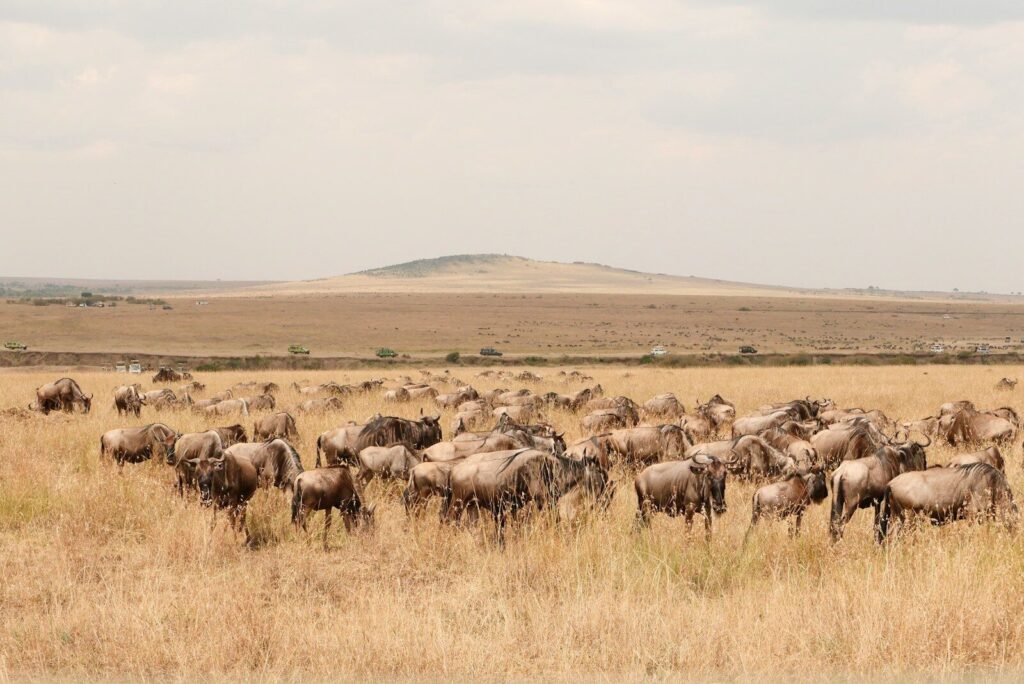
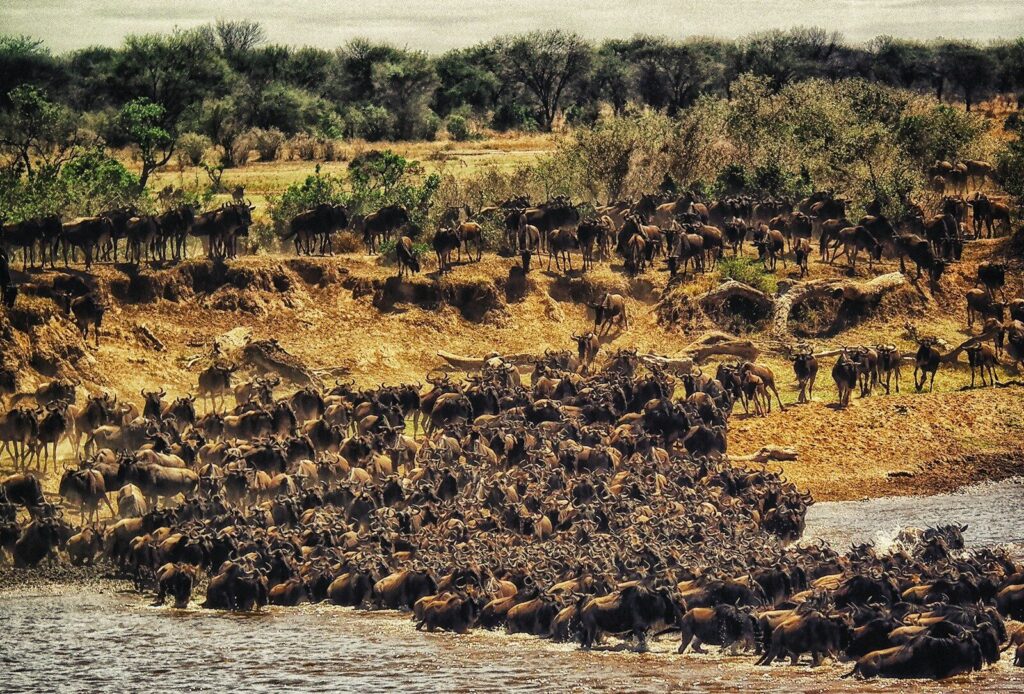
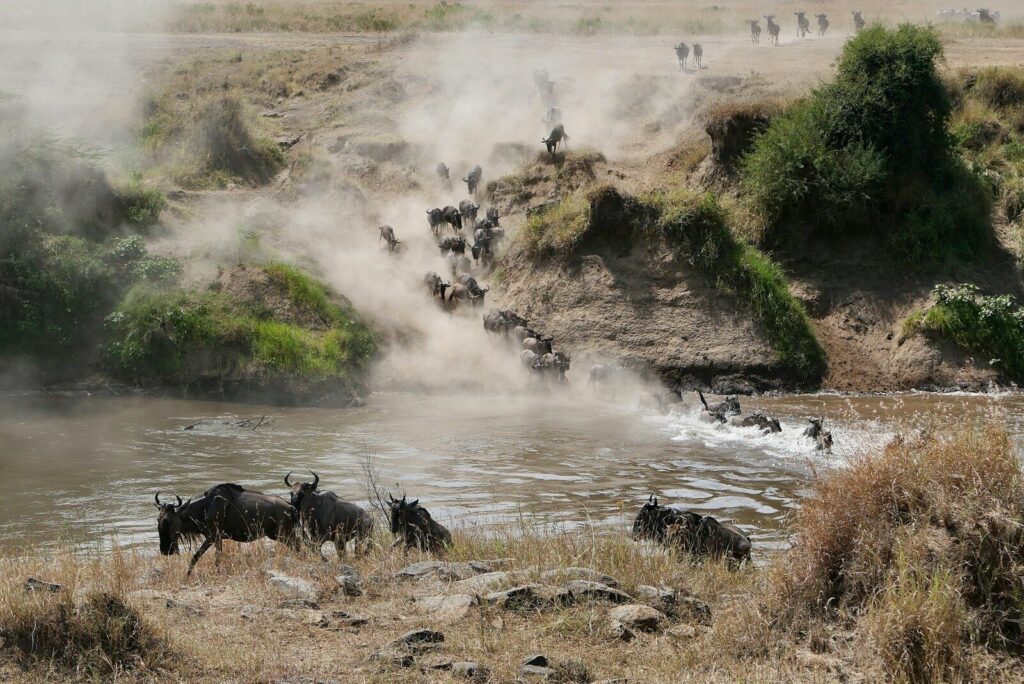
This is the classic window for a Photography Safari Kenya, offering some of the year’s most rewarding wildlife photography conditions. Grass is short, dust creates atmospheric golden light, and wildlife often concentrates around the remaining water sources. The Great Migration arrives in the Maasai Mara, with dramatic Mara River crossings typically occurring from late July through September. Early mornings and late afternoons provide soft, directional light that is ideal for wildlife portraits, action shots, and atmospheric landscapes. The trade-off is higher prices and more vehicles at popular wildlife viewing and crossing points.
Short dry season (January–February)
An excellent alternative for a Photography Safari Kenya, offering fewer crowds and exceptional opportunities for wildlife photography. Clear skies, good visibility, and strong predator activity create ideal conditions for capturing memorable moments. In Amboseli, views of Mount Kilimanjaro are often at their clearest in the early morning, while newborn animals and lush green backdrops from residual moisture add a softer, more intimate feel to your images.
Green/wet seasons (March–May long rains; November–December short rains)
Lush landscapes, dramatic skies, fewer tourists, and lower rates make this period an excellent choice for a Photography Safari Kenya. Birdlife is outstanding, while changing weather creates moody, atmospheric light that can produce truly unique images. Some roads may become challenging and certain camps may close, but dedicated photographers who prioritise distinctive landscapes, birdlife, and intimate wildlife encounters over guaranteed concentrations often prefer these months.
Daily light tips
The first 60–90 minutes after sunrise and the last hour before sunset produce the majority of the best safari photographs. Midday light is harsh; many serious photographers use this time for rest, editing, or studying animal behaviour.
For the best combination of light, action, and manageable crowds, many professionals favour late June, early July, September, or January–February.
Best Parks for Photography Safaris in Kenya
1. Masai Mara National Reserve & Conservancies
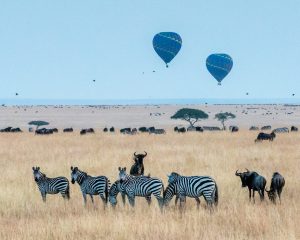
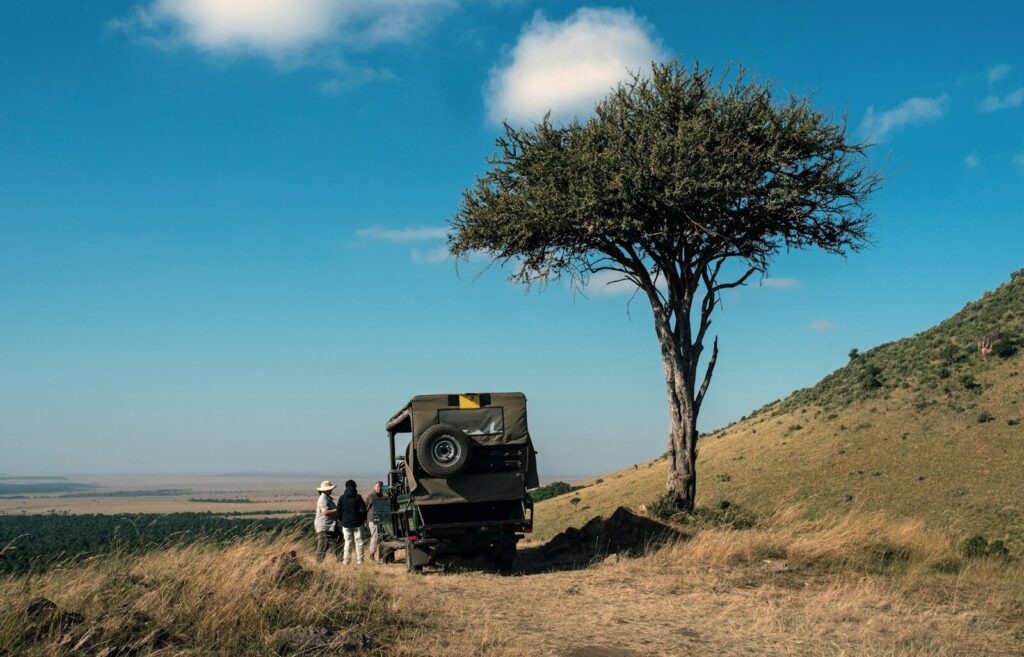
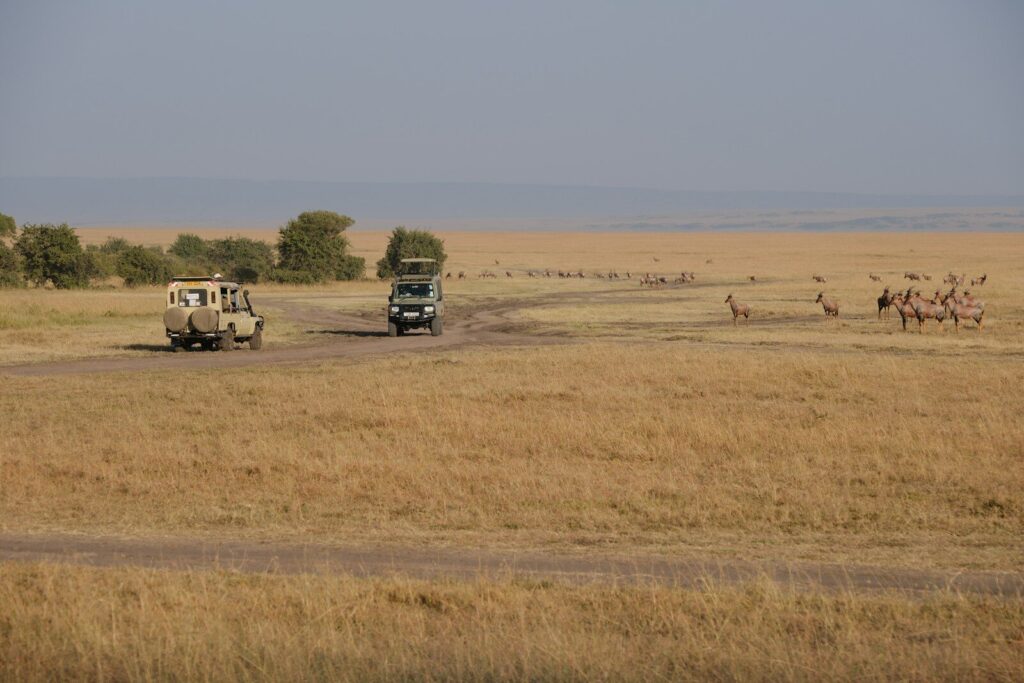
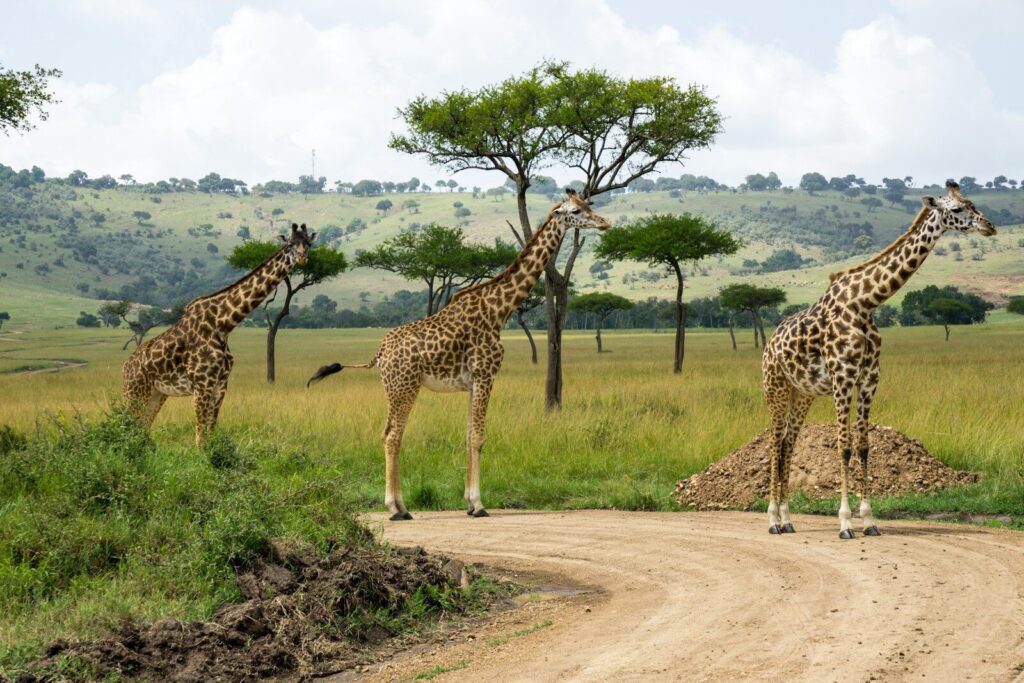
The undisputed star of any photography safari Kenya. High predator density (lions, leopards, cheetahs), endless golden plains, and the Great Migration create world-class opportunities. Private conservancies surrounding the reserve allow off-road driving, night drives, and fewer vehicles—huge advantages for photographers. Classic subjects include river crossings, cheetah hunts, lion prides on kopjes, and balloon-safari aerials.
2. Amboseli National Park
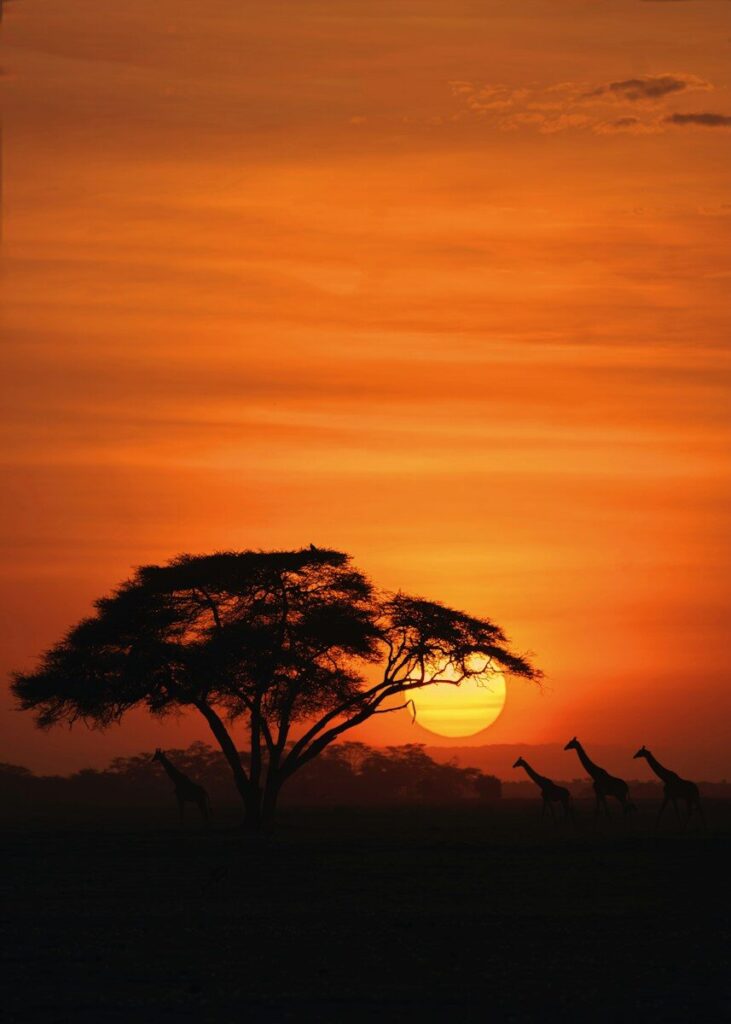
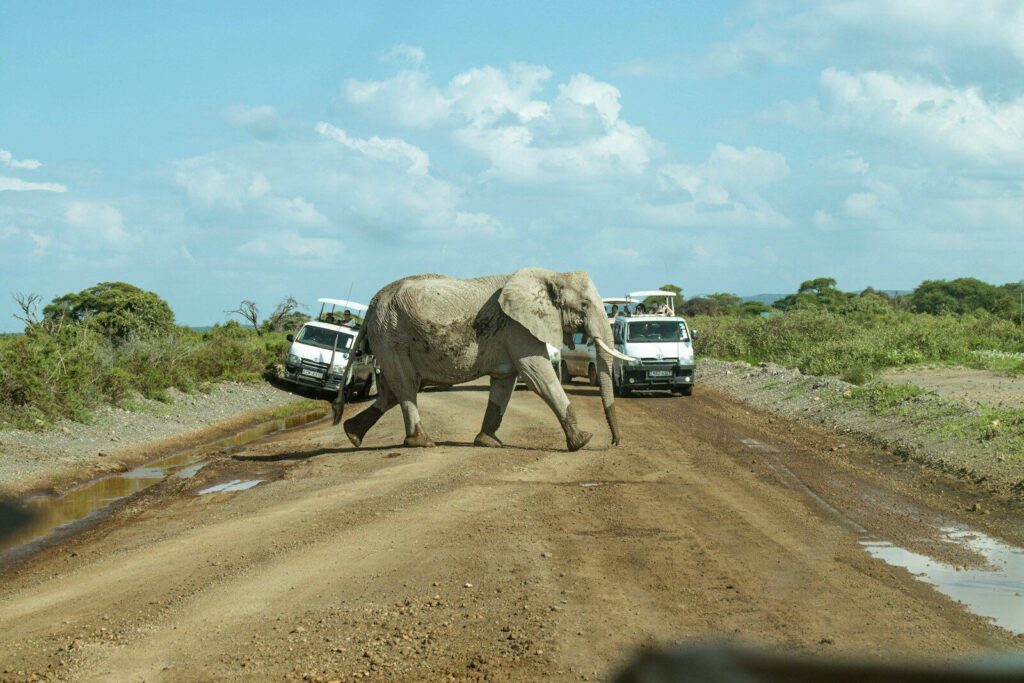
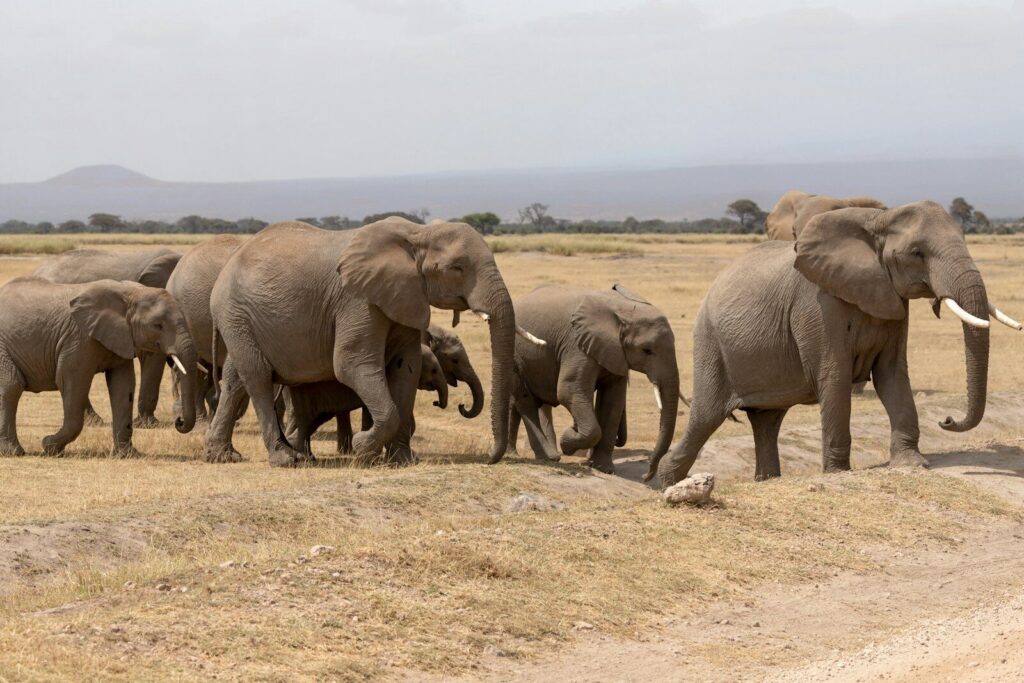
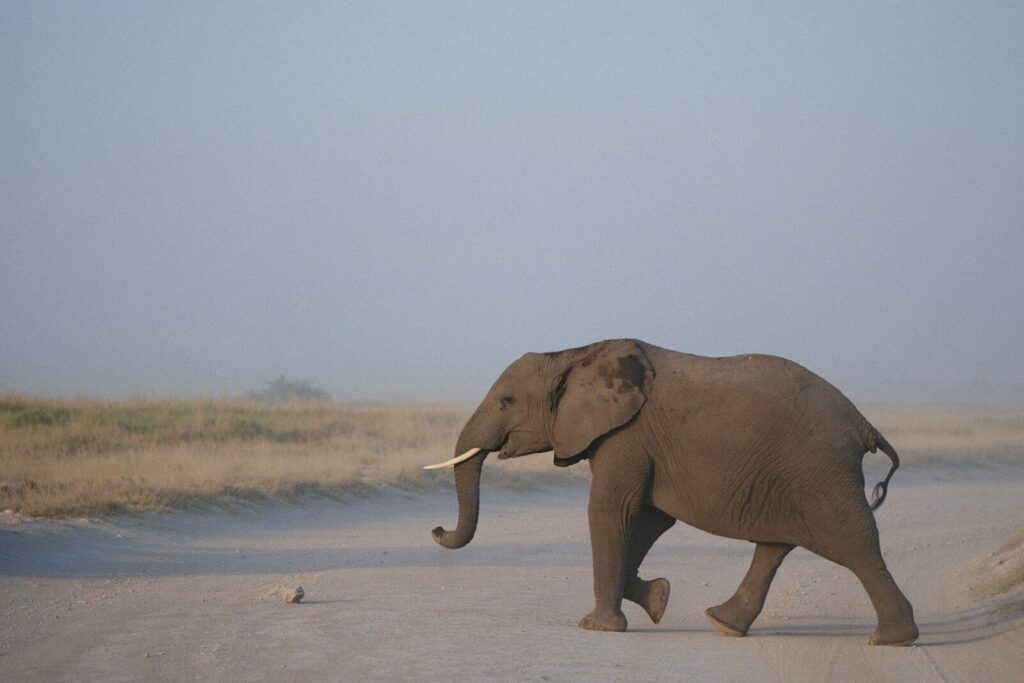
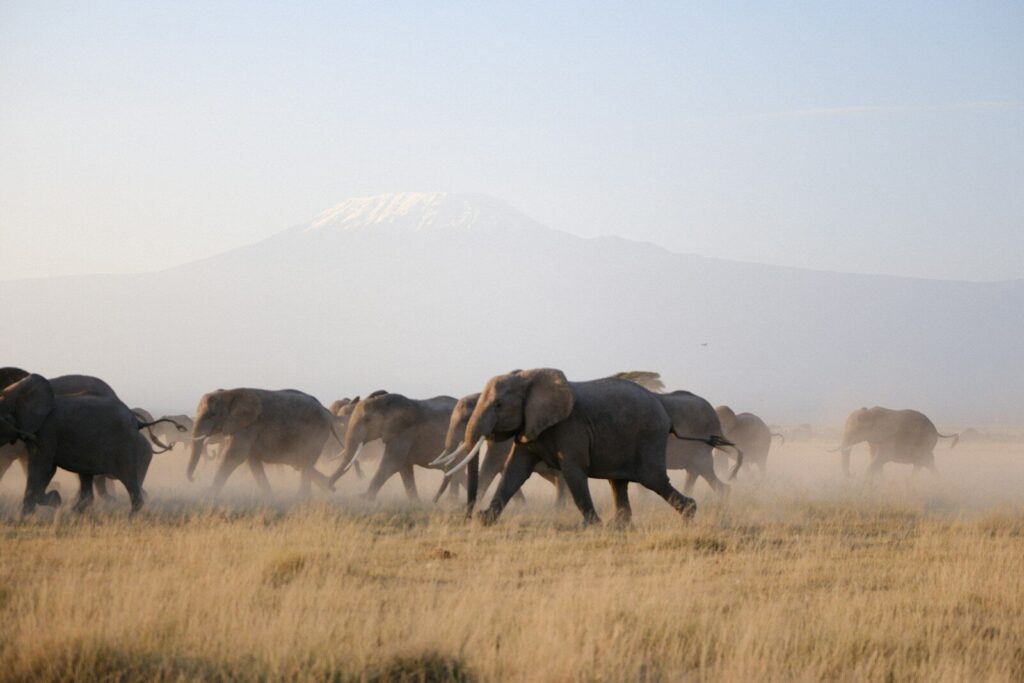
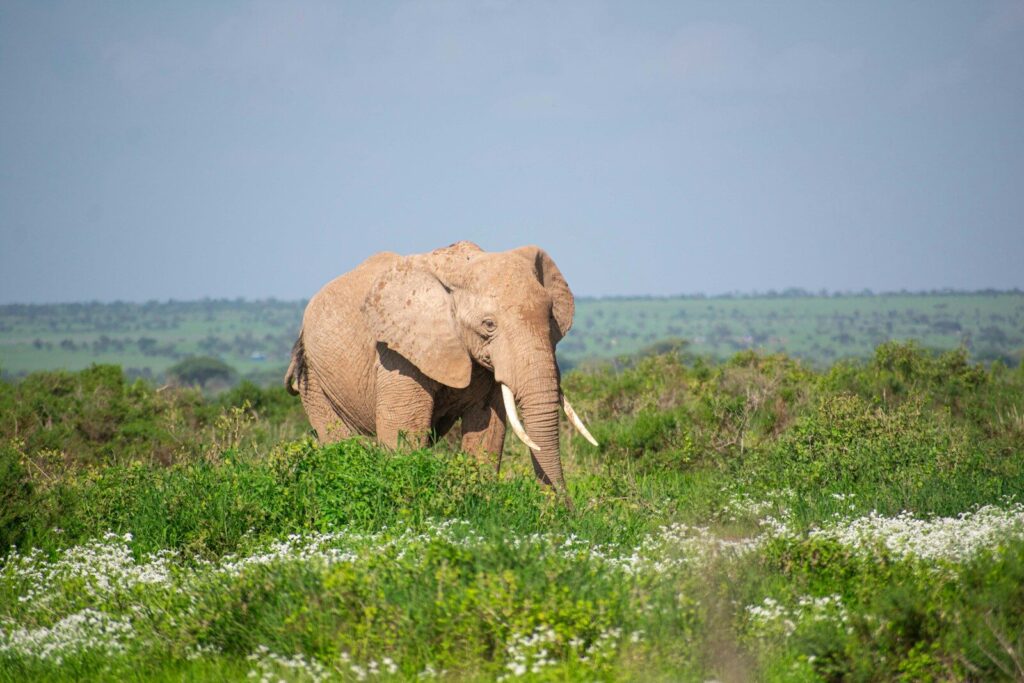
Famous for its large elephant herds framed against Mount Kilimanjaro, Amboseli is a standout destination for a Photography Safari Kenya. The open plains and permanent swamps create excellent opportunities to capture wildlife in natural settings, while the mountain, when visible, provides one of Africa’s most iconic backdrops. The best light is often found in the early morning before clouds gather. Dusty plains and golden-hour light add warmth and atmosphere, creating stunning opportunities for both wide landscape compositions and intimate wildlife portraits.
3. Samburu National Reserve
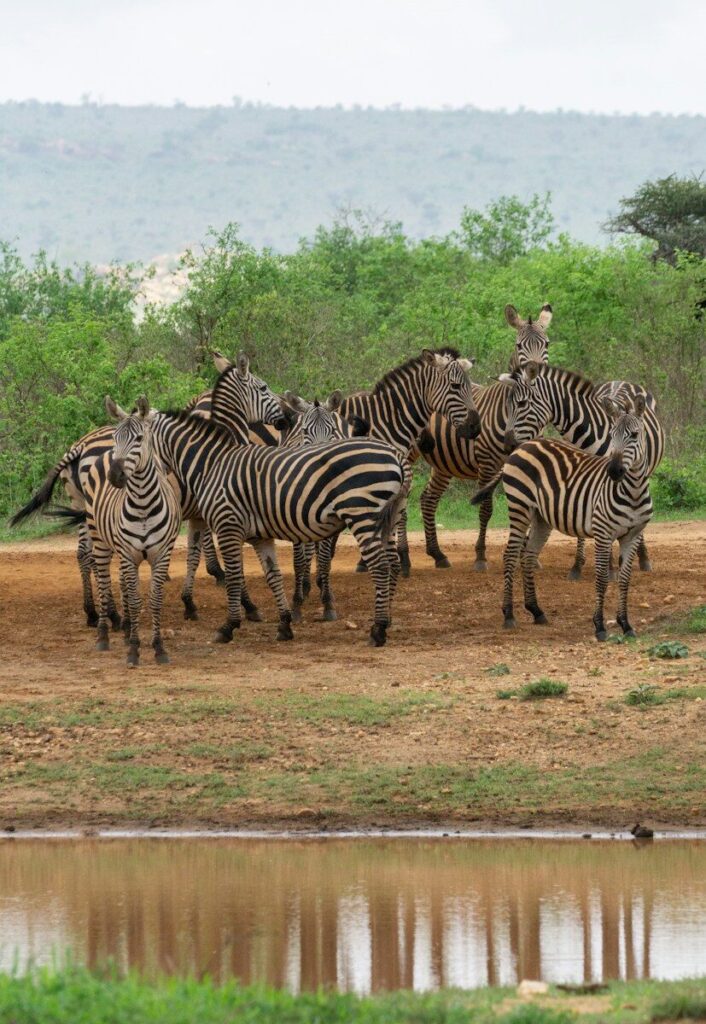
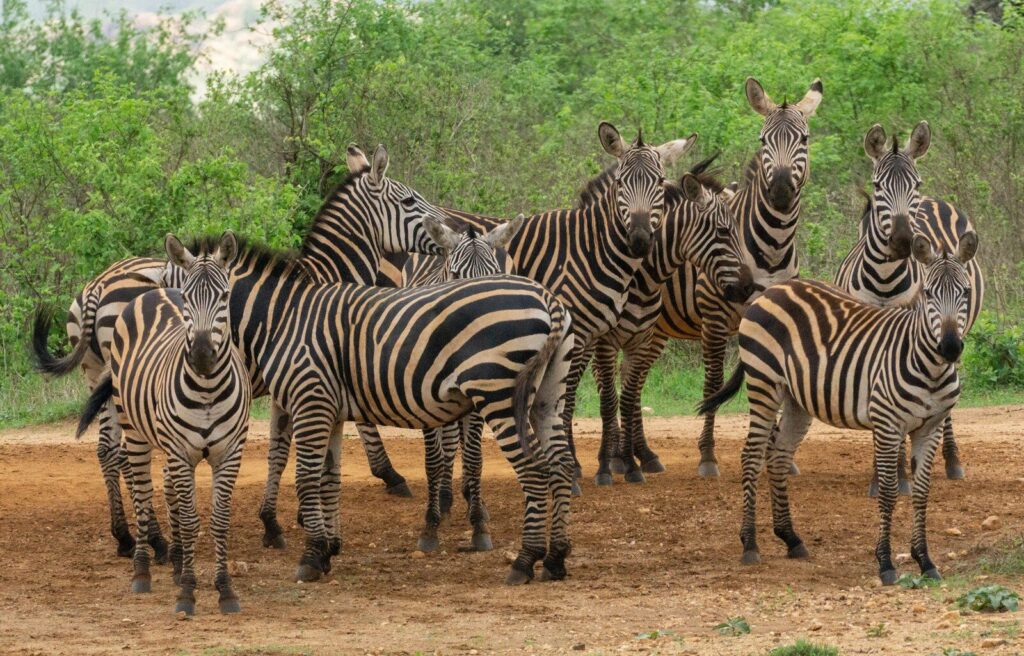
Samburu offers distinctive arid landscapes and the chance to photograph Kenya’s unique “Special Five”: Grevy’s zebra, reticulated giraffe, gerenuk, Beisa oryx, and Somali ostrich. During the dry season, the Ewaso Nyiro River attracts wildlife, creating excellent opportunities for concentrated game viewing and rewarding Photography Safari Kenya experiences. Dramatic red soils, doum palms, and rugged scenery provide strong compositional elements, while the quieter atmosphere compared with the Maasai Mara allows photographers more time for patient, creative work.


4. Tsavo East & Tsavo West
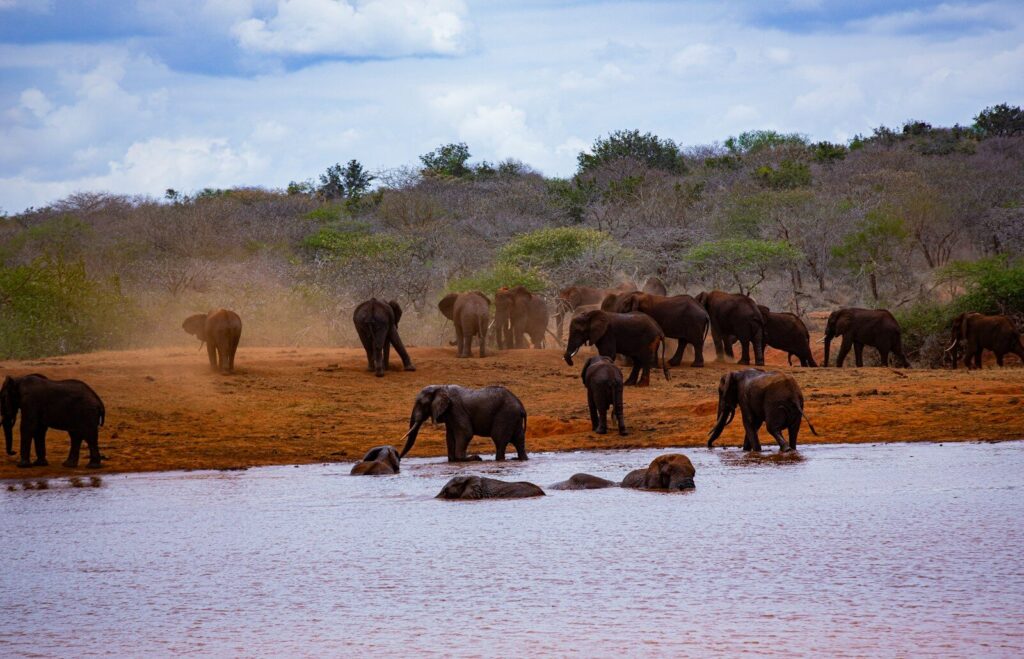
Tsavo offers a vast wilderness of red-dust elephants, maneless lions, and diverse habitats ranging from ancient lava flows to natural springs. Tsavo East is particularly rewarding for photographing large elephant herds against expansive open vistas. Its dramatic landscapes and relatively fewer crowds make it an excellent choice for a Photography Safari Kenya, especially for photographers who enjoy environmental storytelling, wide-angle compositions, and capturing wildlife within its natural surroundings.
5. Other strong options
- Lake Nakuru / Lake Bogoria – flamingos and rhinos (seasonal).
- Ol Pejeta Conservancy – rhinos, chimpanzees, and excellent predator viewing.
- Laikipia – private conservancies with night drives and walking options.
Many photographers combine two or three parks (for example Mara + Amboseli or Mara + Samburu) for maximum variety.
Essential Tips for a Successful Photography Safari Kenya
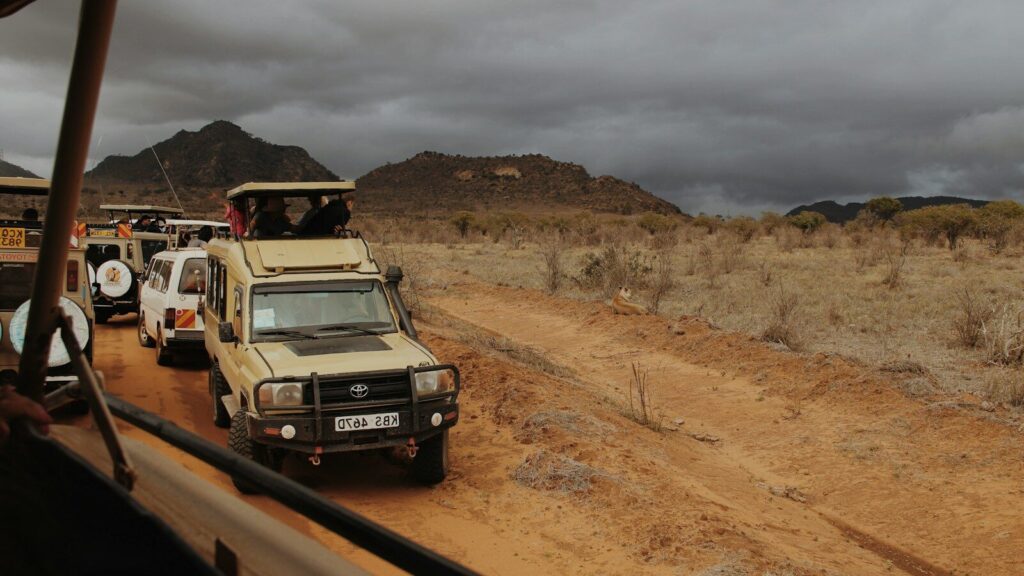
- Prioritise a private vehicle or specialised photo vehicle with beanbags, open sides, and a guide who understands photography.
- Arrive early and stay late; the best light and animal activity occur at the edges of the day.
- Learn basic animal behaviour so you can anticipate action rather than react to it.
- Carry both wide-angle and long telephoto lenses (100–400 mm or 200–600 mm are popular ranges).
- Protect gear from dust with rain covers, ziplock bags, and regular cleaning.
- Respect wildlife and park rules—never force a situation for a shot.
Cost of a Photography Safari in Kenya and Related Questions
How much does a photoshoot cost in Kenya?
A dedicated one-day private wildlife photoshoot or specialized game drive with a photography-focused guide typically ranges from $300–$800 per person, depending on location, vehicle type, and exclusivity. Full multi-day photo safaris cost more.
How much does an African photo safari cost?
Specialised African photo safaris (Kenya, Tanzania, Botswana, etc.) generally range from $4,000–$12,000+ per person for 7–10 days, depending on luxury level, exclusivity, and whether a professional photography leader is included. Mid-range private photo-focused trips in Kenya often fall between $450–$900 per person per day.
How much does a 3-day safari in Kenya cost?
A 3-day Masai Mara safari typically costs:
- Budget (shared vehicle): $800–$1,500 per person
- Mid-range (private 4×4): $1,800–$3,000 per person
- Luxury: $3,000–$5,500+ per person
Prices rise significantly during peak migration months (July–October) due to higher park fees and camp rates.
Which safari in Africa is best for photography?
The Masai Mara (especially private conservancies) and Tanzania’s Serengeti consistently rank at the top for most wildlife photographers because of predator density, the Great Migration, and classic East African light. Botswana’s Okavango Delta and South Africa’s Sabi Sand are also outstanding for more intimate, exclusive experiences.
What are some good photo safaris in Africa?
Strong options include:
- Masai Mara migration photo safaris (Kenya)
- Serengeti calving or river-crossing trips (Tanzania)
- Okavango Delta water-based photography (Botswana)
- Sabi Sand leopard and night-drive focused trips (South Africa)
- Namibia desert elephant and landscape combinations
Why can’t I wear white on safari?
White clothing shows dust immediately on Kenya’s red or sandy roads, creates high contrast that can disturb wildlife, and produces glare in open vehicles. Neutral tones—khaki, beige, olive, soft green, and dusty brown—blend better with the environment, hide dust, and help you remain less conspicuous to animals.
Planning Your Photography Safari Kenya
A successful trip balances the right season, the right parks, a photography-aware guide, and realistic expectations about light and animal behaviour. Many travellers start with a 5–7 day Masai Mara focus and add Amboseli or Samburu for variety. Fly-in options reduce road time and maximise hours in the field.
Whether you are capturing a cheetah at full stretch, a line of elephants against Kilimanjaro, or the chaos of a river crossing, Kenya rewards patience, preparation, and respect for the wild. With careful planning, your photography safari Kenya will produce images that last a lifetime.
Start researching specific camps and guides early, match your dates to the subjects you most want to photograph, and prepare for early mornings and dusty vehicles. The rewards—both in the field and in your portfolio—are exceptional.
1. What camera gear should I bring on a photography safari Kenya?
A sturdy DSLR or mirrorless body, a versatile telephoto zoom (100–400 mm or equivalent), a wider lens for landscapes and environmental portraits, plenty of memory cards, spare batteries, and dust protection. A beanbag or vehicle mount is extremely useful.
2. Are private conservancies better than the main reserve for photography?
Yes for most photographers. Conservancies allow off-road driving, night drives, walking, and significantly fewer vehicles, giving you better angles and more time with subjects.
3. Can beginners succeed on a photography safari?
Absolutely. Many operators cater to mixed skill levels. A knowledgeable guide who positions the vehicle well and explains behaviour often matters more than advanced technical knowledge.
4. How far in advance should I book a peak-season photo safari?
For July–September migration dates in the Mara, 9–18 months ahead is advisable, especially for private vehicles and top conservancy camps.
5. Is the green season worth it for photography?
Yes if you value dramatic skies, lush colour, fewer people, and lower costs. The light can be softer and more atmospheric, though wildlife is more dispersed.