Maasai Mara National Reserve: Kenya’s Ultimate Safari Destination – Complete 2026 Guide
The Maasai Mara National Reserve (also commonly spelled Masai Mara) stands as one of Africa’s most iconic wildlife destinations. This vast savanna in southwest Kenya offers breathtaking landscapes, incredible animal sightings, and cultural encounters with the Maasai people. Whether you dream of witnessing the Great Migration or spotting the Big Five on a game drive, the Mara delivers an unforgettable adventure.
Why Is Maasai Mara National Reserve So Famous?
The Maasai Mara National Reserve earns its global reputation for several compelling reasons:
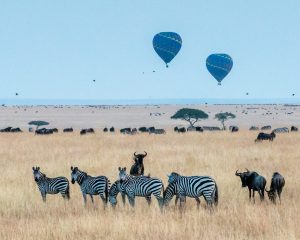
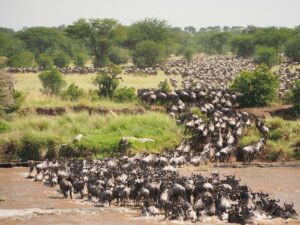
- The Great Wildebeest Migration: Every year (typically July–October), over 1.5 million wildebeest, zebras, and gazelles migrate from Tanzania’s Serengeti into the Mara. Dramatic river crossings teeming with crocodiles create one of nature’s greatest spectacles.
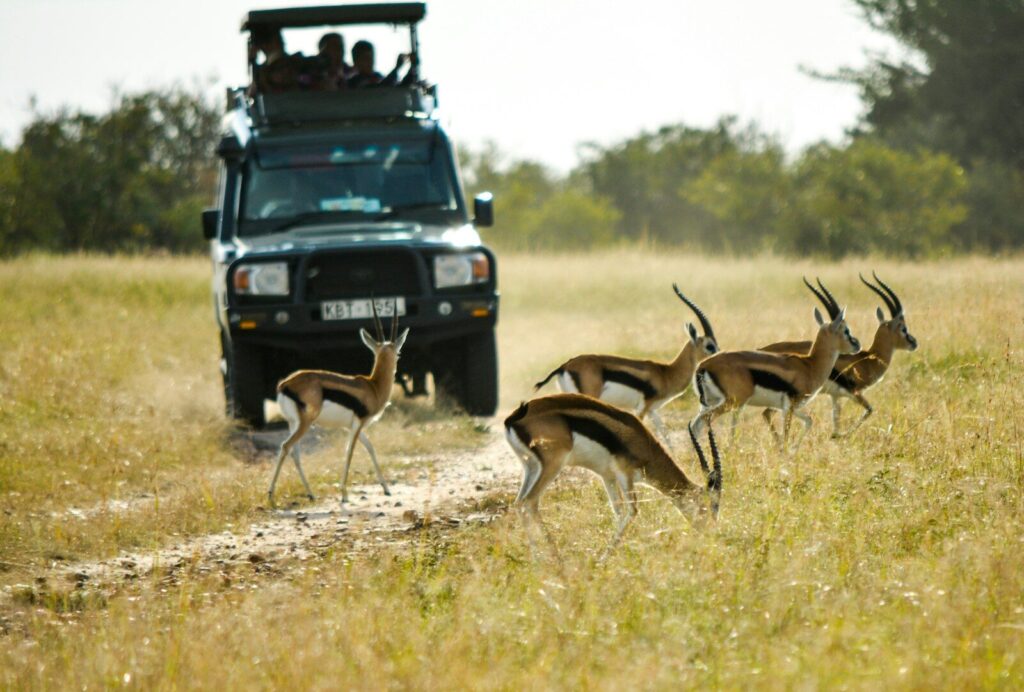
- Abundant Wildlife: Home to the Big Five (lion, leopard, elephant, rhino, buffalo), plus cheetahs, hyenas, giraffes, and over 95 mammal species and 550 bird species.
- Diverse Ecosystems: Rolling plains, acacia woodlands, and the Mara River support rich biodiversity.
- Cultural Heritage: Opportunities to visit Maasai villages and learn about their traditions.
- Conservation Efforts: The reserve and surrounding conservancies protect critical wildlife corridors.
It ranks among the Seven Natural Wonders of Africa and draws safari enthusiasts worldwide.
Is It Masai Mara or Maasai Mara?
Both spellings appear in common use, but Maasai Mara National Reserve (with two ‘a’s) is the more accurate and preferred spelling. It honors the indigenous Maasai people (“Maasai” meaning people who speak the Maa language). “Masai Mara” is a common variant from older British colonial spelling, but “Maasai Mara” better reflects cultural respect.

Maasai Mara Reserve Fees 2026 (Non-Residents)
Park entry fees in the Maasai Mara National Reserve are managed by Narok County and vary by season:
- Low Season (January 1 – June 30, 2026): USD 100 per adult per day; USD 50 per child (9–17 years). Children under 8–9 enter free.
- High/Peak Season (July 1 – December 31, 2026): USD 200 per adult per day; child rates typically remain USD 50 or rise to USD 100 depending on the source—confirm with your operator.
Important Note: Fees are per 24-hour period but subject to the 12-hour rule (see below). Payments often occur via official portals or at gates. Residents and Kenyan citizens pay significantly lower rates in KES.
What Is the 12-Hour Rule for Maasai Mara National Reserve?
Unlike many Kenyan national parks with 24-hour validity, the Maasai Mara enforces a strict 12-hour rule. Your entry ticket is valid only from approximately 6:30 AM to 6:30 PM on the same calendar day, regardless of purchase time.
- If you enter at 3 PM, your ticket still expires at 6:30 PM.
- This regulates visitor numbers and supports conservation.
- For overnight stays inside the reserve, tickets generally cover your stay, but you must exit by around 10 AM on departure day or purchase a new ticket. Always clarify with your lodge or guide.
Plan your game drives accordingly—early mornings and late afternoons offer the best wildlife viewing.
How Much Is a 3-Day Safari in Maasai Mara National Reserve?
A 3-day/2-night safari package (including transport from Nairobi, accommodation, meals, and game drives) varies widely by season, group size, and luxury level:
- Budget/Group Joining: USD 430–850 per person (low season) to USD 700–1,100+ (peak).
- Mid-Range: USD 800–1,800+ per person.
- Luxury: USD 2,000–4,500+ per person for premium camps and private vehicles.
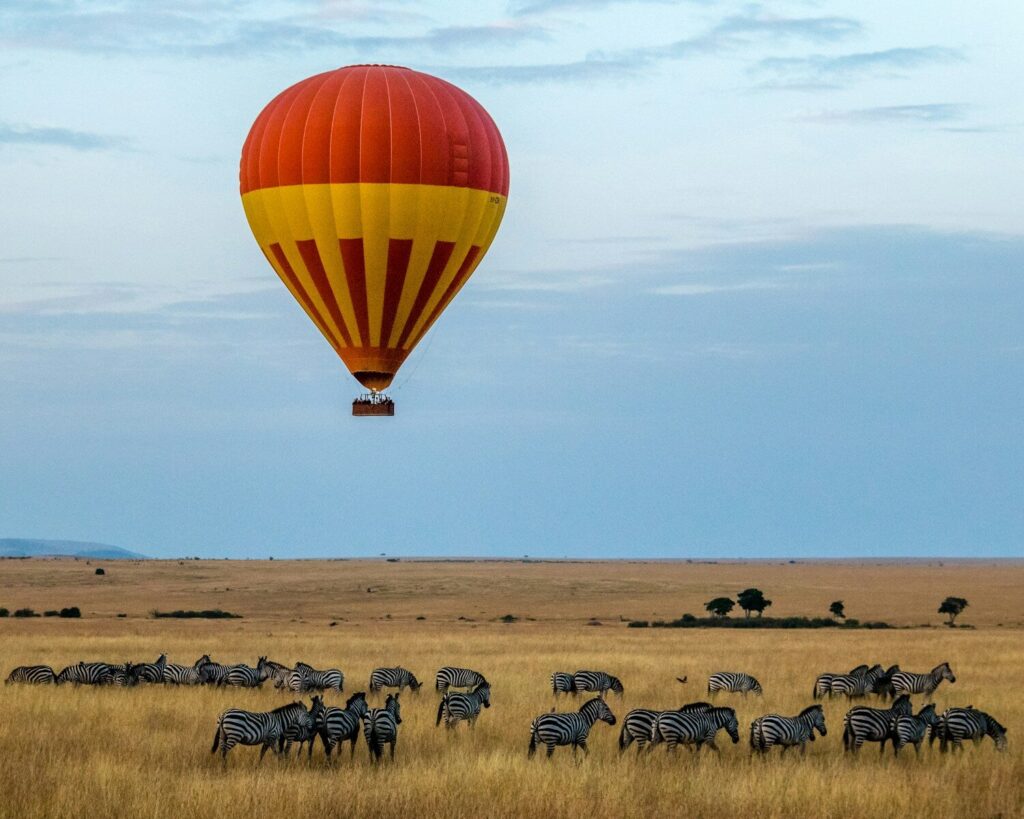
Park fees form a significant portion (especially in peak season—potentially $600 for three days per adult). Private safaris cost more but offer better flexibility and fewer crowds. Prices typically include full board, but balloon safaris (~USD 430) or cultural visits are extras. You can book our 3 DAYS MAASAI MARA SAFARI PACKAGE
Can I Wear Shorts in Maasai Mara National Reserve?
Yes, you can wear shorts, especially during warmer daytime hours. However, follow these practical guidelines:
- Opt for neutral colors (khaki, beige, olive) to blend in and avoid disturbing wildlife.
- Long, lightweight trousers provide better protection from sun, insects, thorns, and cooler mornings/evenings.
- Layering is key—mornings and evenings can be chilly.
- Respect local Maasai culture by avoiding overly revealing clothing when visiting villages.
- Comfortable closed shoes or boots suit game drives and walks.
Pack breathable fabrics and a light jacket or fleece.
The Maasai Mara National Reserve delivers magic like no other place—vast golden plains, dramatic wildlife action, and warm Kenyan hospitality. Whether on a budget adventure or luxury escape, it creates lifelong memories.
Ready to plan your 2026 Maasai Mara safari? Contact a trusted operator early, especially for peak migration season. Book flights to Nairobi (NBO) or Mara airstrips for convenience.
Safe travels and wild adventures!
All fees and details are based on 2026 information available at the time of writing—always verify with official sources or your safari provider for the latest updates.
When is the best time to visit Maasai Mara?
July–October for the Great Migration and peak wildlife concentrations. January–March offers good game viewing with fewer crowds and lower prices.
How many days should I spend in Maasai Mara?
At least 3 days (2 nights) is recommended to fully experience game drives and the landscape. 4–5 days is ideal.
Is Maasai Mara safe?
Yes, with reputable operators. Follow guide instructions, stay in vehicles during game drives, and use lodge security.
Do I need a visa for Kenya?
Most visitors get an e-Visa online. Check current requirements for your nationality.
What should I pack for a Maasai Mara safari?
Binoculars, camera with zoom lens, sunscreen, hat, insect repellent, layers of neutral clothing, and a reusable water bottle.